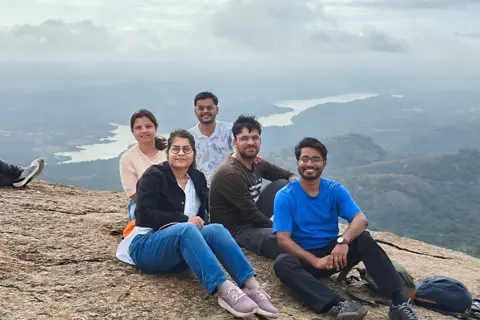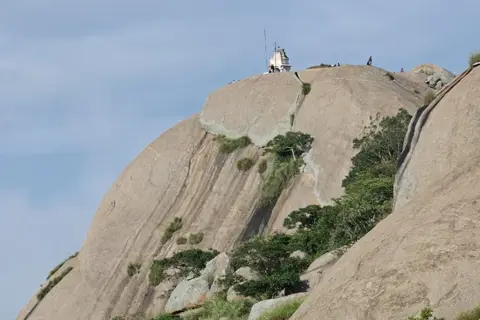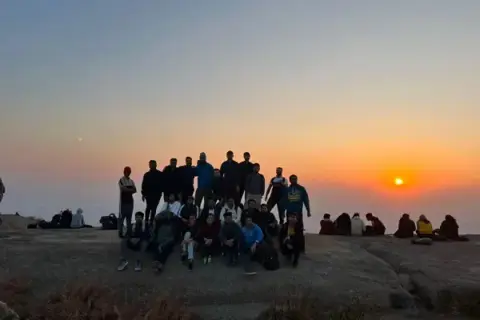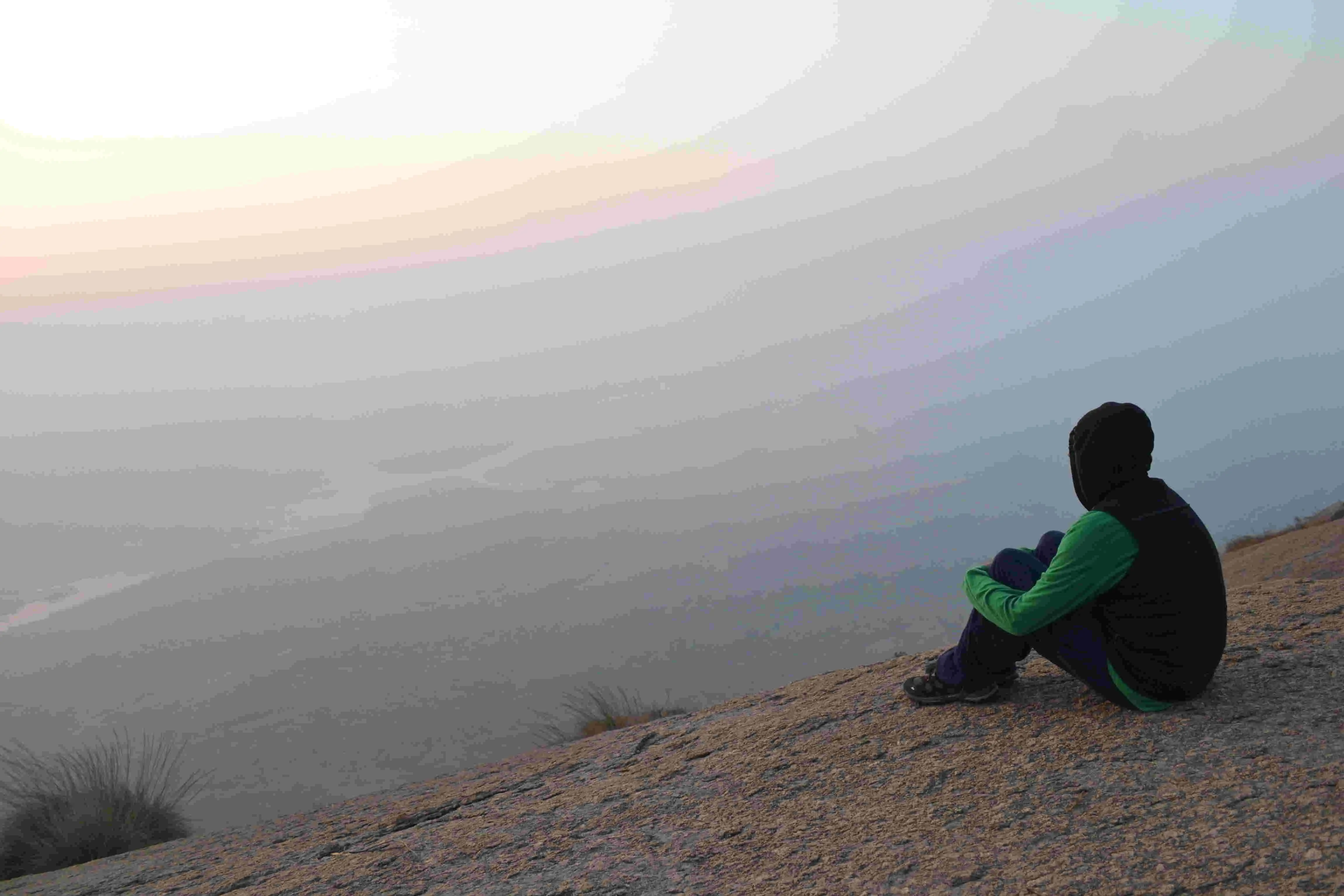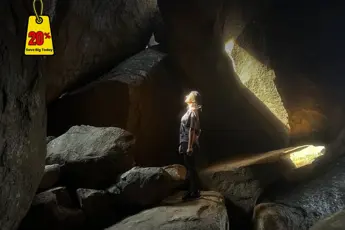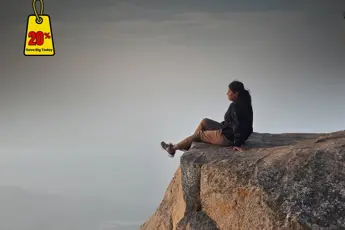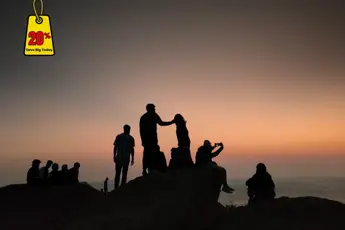


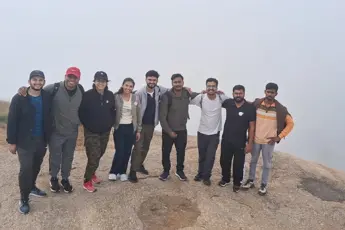
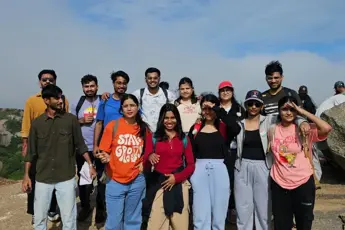

Savandurga TrekSavandurga is a huge granite monolith that towers over Southeast Asia. Locally known as Karigudda or Biligudda, its summit was unconquerable until 1791 when Lord Cornwallis captured it and brought its summit within his control.This moderately difficult trek is suitable for beginners with prior experience on steep terrain. The ideal time for this adventure is between post-monsoon and winter when the landscape is lush with vegetation and granite provides reliable grip.Trail DetailsThe Savandurga trek is an exhilarating one-day adventure, offering stunning vistas and challenging terrain. Additionally, Kempegowda Fort's remnants add historical depth. Rocky pathways and steep inclines make this adventure perfect for anyone wanting a great workout without committing themselves to multi-day treks.Savandurga should be traversed between October and March, during the post-monsoon and winter seasons, when conditions are most suitable. At this time of year, temperatures are often mild, dry rocky surfaces offer reliable grip, and the views from its summit are at their most magnificent.Start your hike from the Narasimha Swamy Temple, which serves as your trailhead. After warming up with stretching exercises and some stretching poses, embark upon your climb uphill along a short approach trail with light vegetation and mud - an easy warm-up before ascending grippy granite slabs.As you near the first fort wall of Savandurga Fort, which remains as an obstacle on your journey, the trail steepens significantly and becomes increasingly challenging. Identations on rock surfaces should serve as your guide; follow them until reaching the fort wall to stay on track and find yourself back on your original route. Once at your goal fort wall, rest and rehydrate before continuing along your hike to reach another more challenging fort wall that will take an hour longer to reach.The climbSavandurga stands out among Bangalore trails with its rock-climbing element, making this trail unique. Starting with an approach through dense forest before transitioning onto open granite for an undulating, view-filled climb. Finally, reaching its summit reveals unexpected sights such as caves, boulders, and an unexpected muddy path - terrain not typically found on monoliths!At the first fort wall you encounter, there will be your first natural rest point where you can stretch and hydrate. Look out for any foot indentations carved onto granite surfaces - likely used by Dalavayi Devaraja garrison during its prime years - for steps. As you proceed upwards, however, the trail becomes steeper and more varied, necessitating reliable grip; running shoes with non-slip soles tend to work better here than traditional trekking boots.As soon as you reach the summit, take a moment to enjoy the view. The fort's surroundings include lush forests, Arkavathi River valleys, and distant Manchanabele reservoir. Plan your trek so it takes place during sunrise or sunset to maximize your experience! If you love scenic trails, discover top-rated trekking places near Bangalore for every skill level.Savandurga offers the perfect blend of challenge, scenic views and sense of accomplishment for Bangalore trekkers looking for an adventure. The optimal window for Savandurga trekking lies between late September and February when post-monsoon and winter weather offers the best combination of weather, hiking conditions and panoramic mountaintop views from its peak.The descentSavandurga Trekking can be an unforgettable journey that allows one to connect with nature while building confidence on uneven terrain. Although not suitable for beginners, level 1 treks require physical fitness and healthy lifestyle habits in order to complete comfortably; those newer to trekking may prefer taking part in level 2 or 3 introductory treks to develop endurance and familiarity with trekking on uneven surfaces.Trekking should ideally take place between September and February, during the post-monsoon/winter months. At this time, forests and grasslands are lush from monsoon rains; reservoirs are full; and views are at their most stunning.Summer temperatures soar, making granite surfaces increasingly hard and exhausting to climb, thus increasing risks. Early starts (before 6:00 AM) may help alleviate some of this effect; nonetheless, it would not be recommended attempting this trail during this season.At its upper reaches, the trail transforms into a rocky cave structure before opening up to become a muddy path surrounded by trees and roots, offering welcome respite from granite slabs. Trekkers will then reach a boulder farm where large rocks provide plenty of opportunities to hop or climb, and finally Dodda Alada Mara (India's largest banyan tree) makes an idyllic stop-off before returning back downhill towards basecamp.The SummitReaching the summit rewards you with breathtaking vistas. An immense rock monolith seems to rise out of nowhere and offers stunning vantages of forested hills, the Manchanabele, Thippagondanahalli, Magadi reservoirs and Magadi reservoirs in the distance. Once home to Kempegowda Fort military fort ruins; Savinadurga or The Fort of Death as only few courageous soldiers managed to storm its impregnability was its name given due to being impregnableness of its fortified nature - only few brave soldiers were successful at storming it from its impregnability; thus it gained the name Savinadurga or "Fort of Death".As the descent from the peak is over a steep and rocky surface, one misstep could send you hurtling downhill. Therefore, take your time when descending. Make sure to catch sunrise from here, enjoy stunning views, and catch sunrise once back at base before visiting one of the nearby restaurants for breakfast before beginning your return journey back home to Bangalore.The Savandurga Trek makes for an exciting weekend adventure from October to March, when temperatures and terrain conditions are at their most ideal. Avoid trekking during monsoon season and peak summer when temperatures soar and terrain becomes difficult to navigate. Access is easily provided via road with its trailhead located off Magadi Road near Sri Lakshmi Narasimhaswamy Temple near Magadi Road near.