

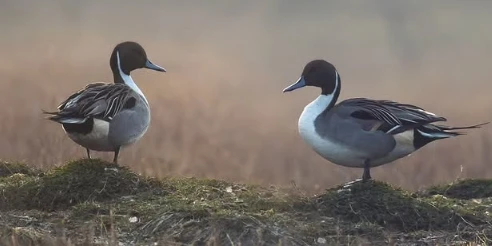
One of India's best birding locations, Keoladeo National Park, once known as Bharatpur Bird Sanctuary, is located in Rajasthan's Bharatpur district. This UNESCO World Heritage Site spans over twenty-nine square kilometres. Nature created it gradually. Every year, birds from faraway countries arrive here. Though it stands out for housing the rare Siberian crane, the park houses many different species. Few sites on Earth see such uncommon guests arrive so frequently. Drawing life from seasonal rains and meticulous equilibrium, a tranquil wetland, ducks once here fell silent under royal gunfire, when kings governed these territories. Rising from crimson reeds, something quieter was a place constructed to preserve wings rather than end them. Today, three hundred seventy or so species of birds share it with deer gently walking through shadows. Nilgai move close to water edges; jackals run between thickets; reptiles warm themselves on sunlit stones. Grass wavers next to marshes; trees gather past open flats; scrub holds its breath in dry areas; each feeds life in various ways. Winter draws flocks down from distant cold: Siberia sheds its feathers into this warmer sky. Birds come from Central Asian steppes, even far-off European fields, as well as the broad plains of China. Wearily, they land then rise again refreshed, transforming ponds into active maps. Here, birds spring to life, exhilarating those who like photographing or seeing them. Beyond its beautiful scenery, this park is an open-air classroom for learning about flight and feathers. Paths invite leisurely walks, quiet rickshaw rides, quiet, slow bike trips, or smooth underfoot meandering through the foliage. Wings stir most vigorously early or late in the day, so those times are filled with motion. Under its placid facade lurks a more important function: influencing the survival, expansion, and even flourishing of wetlands all across India. Beauty here seems delicate, almost like a little handcrafted scene meant to be touched only by light. Anyone who observes animals might notice their breath catch at the sound of wings overhead. A location like this honours those who travel slowly, eyes open, ears tuned to chirps and rustles. Not set but alive and unscripted, colours flicker between trees, feathers, flowers, and abrupt movement. Those who are pulled to peaceful forests teeming with life would probably recall the way sunshine strikes wet feathers after rain.History of Bharatpur Bird SanctuaryOften referred to as Keoladeo National Park, Bharatpur Bird Sanctuary is among the best known Indian wildlife refuges. Moreover, some bird species and its environmental significance help it to be rather well-known all through. With its very long connection with imperial inheritance, colonial impact, and conservation success, the shrine presents a great chapter in India's rich natural and cultural past. The eighteenth century saw the start of the Bharatpur Bird Sanctuary. Building the man-made Ajan Bund, a dam he built at the junction of the Gambhir and the Banganga, was among the accomplishments of Maharaja Suraj Mal of Bharatpur. In addition to its main purposes of the bund—that of irrigation and rural area water supply—it created a vast wetland environment attractive to both local and migratory birds. Over time, many bird species naturally turned the inundated plains into a paradise, hence forming a firm basis for what evolved into one of the top bird havens on earth. The marshes of Bharatpur gained royal hunting reserve status under British control. Maharajas of Bharatpur and British officials were hunting ducks together at the site. Historical sources suggest that Lord Linlithgow, Viceroy of India, and his staff may have broken the single-day record for most birds slain on that day in 1938. The kings, however, took great pleasure in the environmental state of the area and thus made sure the wetlands stayed thriving and welcomed migrating birds yearly. Although India gained independence in 1947 and the hunting heritage associated with it slowly disappeared, the reserve stayed tough. Under the Wildlife Protection Act, the Indian administration stopped in 1972 the shooting by the erstwhile kings of Bharatpur. With the passing of the law, hunting was officially outlawed, and Bharatpur was declared a natural haven. Originally established as a national park in 1981 after the ancient Keoladeo temple honouring Lord Shiva remained within the boundaries of the park, it was altered.One quiet year after another passed until UNESCO stepped in during 1985, shining a light on this patch of land where animals live close but never clash. Word traveled through whispers, then louder echoes, showing not only crowded life below but above too - wings needing rest mid-flight. Birds crossing skies from distant Siberia, corners of Central Asia, even far-off northern Europe started dropping by more regularly, pulled by instinct and need. Now, most people arrive with eyes scanning reeds and water, waiting instead of searching, hoping luck brings a sighting of the pale wanderer few ever see - the Siberian crane. Finding safe ground didn’t come without trouble. Hurdles showed up when least expected. Around the end of the twentieth century, shifts began shaking how farms got water - more humans meant thirstier demands. As supplies shrank, Bharatpur felt the pinch sharply. Parched stretches started spreading across wetlands, quietly driving animals off, whether they lived there or just stopped by. Out loud came voices - ecologists first, then some CEOs, later activists - all spotting the slow drain. Because of that push, authorities moved fast, pumping water back into soggy patches and blocking off the delicate area. Now home to more than 370 bird types, the refuge stays hushed yet strong, guarding a disappearing world of wetlands. Alongside feathers, hooves appear too - spotted deer wander through, sambhar graze near reeds, nilgai pause by pools, while pythons coil under logs and monitor lizards slip between stones. Scientists who study flight and habitat keep arriving from distant countries, drawn here again and again for fieldwork others can’t replicate.Nearby Places to Visit Around Bharatpur Bird SanctuaryLohagarh Fort: Lohagarh Fort rises in the heart of Bharatpur, built in the 1700s under Maharaja Suraj Mal. Not iron gave it its name, yet sheer endurance defined it. Attacks came - many times - but full conquest never followed. When British forces pushed forward, again and again, those walls refused to fall. Quiet moments tell more than noise ever could. What stays unspoken often carries the weight of years. Toughness wears no banner, just marks that time left behind. Living through it means more than any monument.DEEG PALACE: Not far from Bharatpur - just a 32-kilometre stretch - Deeg Palace rests quietly, born when Rajput strength brushed against Mughal elegance. Its charm doesn’t shout; instead, it lingers. When the heat rose, kings and queens once stayed behind these walls. Lawns roll out, pools sit calm, buildings emerge like thoughts forming slowly. Within the space rise two chief dwellings: one known as Gopal Bhawan, while light-filled chambers shape the second, called Suraj Bhawan.Government Museum, Bharatpur: Housed within Fort Lohagarh sits the Government Museum, Bharatpur - founded in 1944 to quietly hold time in place. More than walls or iron, it shelters tales carved into shape by forgotten chisels. Words etched deep murmur old orders, while colours on canvas carry glimpses of how people once saw their world. Blades that served under Jat rule stand sealed in cases, yet feel alive with purpose. Objects stay silent, though each holds echoes of kings who passed, palms that shaped them, beliefs that guided both.Ganga Mandir: A temple grows in Bharatpur, shaped over close to ninety years since the first stones were laid. Not rushed, just constant, with masonry carved slowly by workers passing through generations. The walls wear marble like cloth, every slab trimmed precisely into designs delicate as threadwork. Rising while steam engines clattered on nearby tracks, today it rests silent, seen only by rare eyes. Pillars wear stone faces, twisted like old vines. Sunlight rests on them now, long after the ninth decade ended and tools were set aside.Banke Bihari Temple, Bharatpur: Up on a ridge, this holy spot holds Krishna in gentle reverence. Resembling the well-known shrine in Vrindavan, yet quieter, it welcomes seekers and passersby without fanfare. Even though hidden within Bharatpur, word spreads softly about the calm discovered between these walls. Footsteps trace stone trails where silence deepens what words cannot say. A quiet weight fills the space, though the building is small. It does not reach high, but it still holds attention. People come to pray - some find a stillness they did not expect.Fatehpur Sikri: Off past Bharatpur, after roughly twenty-two quiet kilometres, the stone outlines of Fatehpur Sikri rise into view. Heritage-listed by UNESCO, it carries centuries within its walls. Arches stretch wide, courtyards breathe space - each built under Mughal hands at their most certain.Mathura and Vrindavan: Beyond Bharatpur, roughly thirty-nine kilometres off, sit Mathura and Vrindavan - places shaped by stories of Krishna’s youth. Born in Mathura, where every alley whispers that moment. Childhood came later, though, out there among the calm paths and wide meadows of Vrindavan. This one remembers birth; that one keeps echoes of playing beneath leaves and clouds. Separated they are, yet close - a brief drive past scrubland and roadside stalls links them. Here is where stories breathe, not just sit on pages. To some, these places seem less visited, more recalled - like whispers from before.Agra: Fifty-five kilometres - that's all that separates Agra from Bharatpur. Standing tall there, the Taj Mahal rises, seen by some as earth’s most beautiful creation. It is listed, too, within the Seven Wonders of the world.Best Time to Visit Bharatpur Bird SanctuaryWinter season (October to February): Frost nips the mornings now, October easing into February at Bharatpur's marshes. Migrating flocks arrive from far-off northern stretches, turning quiet waters into busy hubs. Siberian cranes step lightly after thousands of miles, while bar-headed geese carve paths overhead. Pelicans skim just above the surface, wings barely brushing mist. Painted storks hold their ground, motionless against muddy banks. Visitors walk softly along narrow trails, eyes scanning thickets and shallow pools. Fog hugs the ground at dawn, then slowly melts into sunlight, good for moving slowly through forest paths. Between 10°C and 25°C, the air stays kind - suited to foot travel, bicycle rides, or gliding past in a pulled cart. Photographers, or anyone chasing stillness beneath branches, find brief treasures here. Time stretches out quietly, filled with wingbeats, watery images, and thin daylight resting on low water.Summer Season (March to June): Faster heat arrives by late spring, rising through March into June. Past forty degrees, things get sharp, air thinning under a steady sky. Fewer people show up once sunlight stretches too far. Quiet draws some, who move off louder paths. Early nests draw egrets when seasons turn. Through thin water herons reach, slow. Sharp dives mark kingfisher paths just after dawn. Marshes hum with breeding heat, steady but low. Clearing edges, see deer step quietly. Morning light brings nilgai stepping through mist, then they melt into tangled green. Toward the drying pools, reptiles move slowly, drawn by damp earth. With fewer people passing, silence settles back on trails like dust after the wind dies. The land takes shallower breaths when voices thin out. Paying attention comes without effort these days.Monsoon Season (July to September): July steps in, then rain falls, painting the trees and grass green again. The ground drinks every drop, till pools form on even ground. Water draws birds here - nests go up where wetness hides them. Before settling down, couples spin through the sky, feathers slicing clouds together. Under heavy foliage, young ones break free of shells, while watchful adults wait on close limbs. Now that seasonal travellers have moved on, space opens up. Purple herons wander where others once crowded. Along wet field borders, cormorants perch in rows, wings spread wide to shed water. Following rain, egrets show themselves more - still figures in thin water, patient. At first light, the park breathes sound: quiet notes replace noise. Things grow, unseen, under thick summer skies. Now sunlight filters down between branches, cooling the earth below instead of scorching it. After short bursts of rain, trails can gather water here and there - paths might close, so look ahead before leaving. Green stays strong thanks to these passing storms.How to Reach Bharatpur Bird SanctuaryBy Airport: Flying could work out if you’re aiming for Bharattup Bird Sanctuary - the nearest runway sits about 56 kilometres away, at Agra Airport. Connected strongly to major cities such as Delhi, Mumbai, Jaipur, and Varanasi, air access is steady here. Touching down? Then moving on becomes simple: taxis wait more comfortably than buses, though both take close to an hour and a half. For those stepping off international flights, landing first in Delhi makes sense - that airport lies almost 190 clicks north. After arrival, options open wide - trains chug through regularly, city-run buses crawl along highways, while hired cars glide nonstop toward Bharatpur.By Train: Reach Bharatpur by train if you can. It usually feels more comfortable and costs less. Only about five kilometres stretch between Bharatpur Junction Railway Station (BTE) and the sanctuary, so a ride in an auto-rickshaw or taxi works well after stepping off the platform. Daily services connect here from big cities: Delhi, Mumbai, Jaipur, Agra, Kota - with choices like express or superfast trains. Names such as Golden Temple Mail, Kota–Dehradun Express, Avadh Express pop up often on traveller itineraries.By Road: Road trips reveal how well Bharatpur ties into Rajasthan’s web of towns, smooth paths stretching far. Right there on the Golden Triangle trail - Delhi, Agra, then Jaipur - it hooks onto big national roads without effort. Just 55 kilometres south, Agra sends government buses each day, private vans also moving, and taxis are ready whenever. Coming from Jaipur instead? Eighteen and a half dozen miles bring you close; Delhi is nearly the same distance up north, and constant traffic flows in. Drivers do not only chase signs - they catch sight of flat farms, hushed hamlets, bursts of trees running alongside swift strips like the Yamuna Expressway and NH-21.Why Book with escape2exploreWhen exploring the Bharatpur bird sanctuary and beyond, escape2explore stands out as a trusted name in adventure and experiential travel. Here’s why hundreds of travellers choose us for their getaways:Trusted, Well-Reviewed Local Operator: escape2explore has gained the trust of thousands of content tourists all over India. With persistent positive feedback and an unblemished reputation for delivering quality experiences, we assure your experience to be hassle-free, memorable, and value-packed. Our insider local knowledge guarantees that you to always be in safe hands.Seasoned Guides: Our trips are led by friendly, trained, and professional guides who are passionate about the outdoors and your safety. Whether it's a beach trek, a cultural tour, or a spiritual walk through temples, our team knows the terrain, the stories, and how to make each moment count.Safe & Curated Itineraries: Your safety is our number one priority. Each of our tour packages is thoughtfully crafted with safety measures, researched accommodations, and easy travel arrangements. We take care of the details so you can have the experience hassle-free and worry-free.Unique Experience That You Won't Find Anywhere Else: With escape2explore, you discover more than the tourist attractions. We go off the beaten track with hidden beaches, unusual treks, offbeat cultural destinations, and true interactions. Whether camping out beneath the stars or exploring a hidden beach cove, we present to you the other side of Coorg that not many get to encounter.