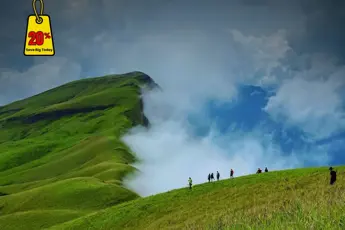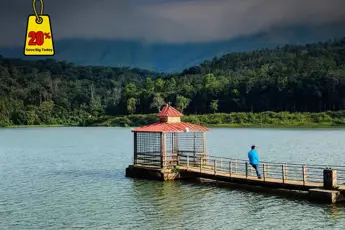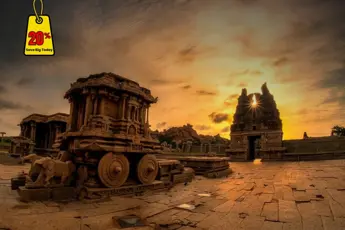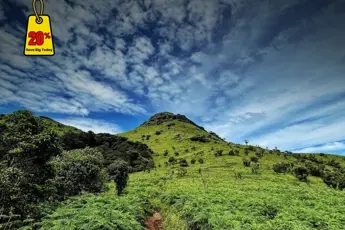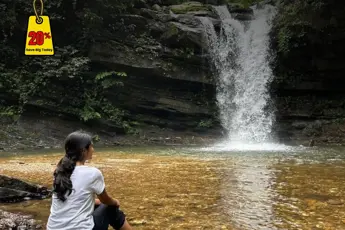


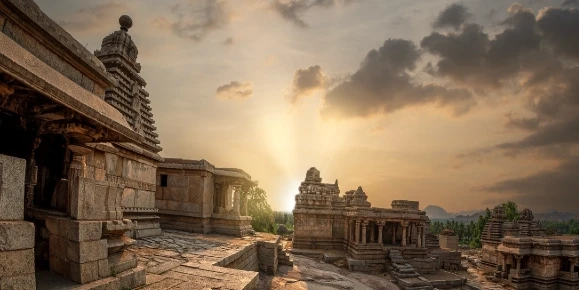
Hampi, the southern Indian state of Karnataka, is an intriguing UNESCO World Heritage site with impressive ruins, living culture, and rich history. It was once a flourishing capital of the Vijayanagara Empire of the 14th to 16th centuries but is now an interesting outdoor museum of architecture and history visited by tourists, historians, and spiritual pilgrims from across the globe. Stretching along the banks of River Tungabhadra, the terrain surrounding Hampi is a reasonable mix of pristine countryside, large rocks, banana groves, and worn stones. Hampi is a 25-square-kilometre stretch of land that has over 1,600 reminders of bygone days like royal temples, imperial halls, market streets, waterworks, and walls. Every structure is a reminder of the majesty and artistic skill of the empire. The imposing Virupaksha Temple, which is for Lord Shiva, continues to be a functioning temple and inner pilgrim centre. The famous Vittala Temple, with its marble stone chariot and huge musical pillars, right beside it, stands witness to the genius and craftsmanship of Vijayanagara artisans. In addition to its architectural splendour. History and culture enthusiasts can explore more destinations through our Weekend Trips From Bangalore guide. Hampi is full of religious and cultural splendour so fascinating to tourists. Hampi is replete with legend and myth and is believed to be a part of Lord Rama's monkey kingdom of Kishkindha of the Ramayana. The Anjanadri Hill, believed to be the birthplace of Lord Hanuman, is an aficionado's heaven for trekkers with stunning vistas of the countryside. Hampi’s laid-back vibe, coupled with its rich heritage, attracts backpackers and solo travellers looking for a unique escape. The hippie island across the river adds a contrasting yet harmonious touch to Hampi’s spiritual aura, with cafes, bike rentals, and guesthouses that cater to free-spirited explorers. The best time to see Hampi is October to February when the climate is perfect for walking around sightseeing and exploring. You are a historian, a photographer, or an inquisitive tourist, but Hampi has something for you that you will never want to part with — a quirky blend of the timeless and the ancient. It is not a place but an experience, a journey along India's glorious heritage. Travelers interested in heritage and architecture often explore our Hampi Tour Package for a complete experience.Places to Visit Around HampiHampi also has some interesting surrounding areas that add a further air of glamour to your tour. Some of the places that one must not miss when he or she is in the vicinity of Hampi are:Anegundi: Just across the Tungabhadra River is Anegundi, more ancient than Hampi and one of the earliest inhabited regions of the Vijayanagara Empire. It is steeped in legend and generally identified with Kishkindha, the monkey kingdom of the Ramayana. The rolling hills of Anegundi, the serene villages, and the ancient temples are a serene holiday destination for alternative culture and history.Sanapur Lake: A rock-surrounded serene lake, Sanapur Lake is a thrill-seeker's paradise. Along with the above-mentioned cliff jumping and coracle ride, the destination also provides a tranquil oasis with magnificent sunsets, a less crowded atmosphere, and serene surroundings. The perfect destination to relax after a busy day of exploration of the ruins.Badami: About 140 km from Hampi, Badami is renowned for its breathtaking rock-cut cave temples cut out of sandstone boulders. Stunning sculptures, ancient inscriptions, and a serene lake characterize the ancient Chalukya dynasty capital town, Badami. heaven for history students and architects.Pattadakal: A UNESCO site and World Heritage Site located close to Badami, Pattadakal is famous for the syncretism of South Indian and North Indian architecture. The temples were employed in ceremonial functions as well as kings' coronations and are a fine example of early Indian temple architecture.Aihole: Also known as the "cradle of Indian temple architecture," Aihole is 135 km from Hampi and has over 100 temples dating from the 5th to the 8th century. It's something that needs to be seen to realize the evolution in Indian temple architecture.Adventure & Activities in HampiHampi is the adrenaline junkie's paradise and heaven for historians as well! From rock boulders to peaceful lakes, the ancient terrain that this is, it is a motley mix of adrenalin-pumping outdoor adventure.Rock Climbing and BoulderingThe varied Hampi landscape peppered with gigantic granite boulders is surely one of the finest bouldering spots in India. The pollution-free, clean nature presents a naturistic climb ranging from easy ascents to pro ascents. To climb a dawn sun-baked boulder or navigate an overhanging boulder is expertise. With the thrill injected into bird's-eye views, this is irreplaceable.Cycling Through the RuinsOne of the best ways to explore Hampi’s vast ruins is on two wheels. Rent a cycle and meander through ancient temple complexes, royal enclosures, and scenic countryside paths. It’s a peaceful, immersive way to experience the region’s heritage while soaking in the rustic charm and quiet surroundings.Cliff Jumping and Coracle Rides in Sanapur LakeA half-hour drive from Hampi, Sanapur Lake is a water sports haven. The adventure-seeker can try cliff jumping off the boulders into the blue waters below—a heart-pounding experience amidst a picturesque view. Or take a coracle ride, a round boat, and sail across the serene lake taking in the view and the breeze.Best Time to Visit HampiThe weather and travel experience of Hampi also vary significantly depending upon the season. A brief description of when to visit based on your choice is as follows:October to February – The Best SeasonIt is better to go to Hampi during these times, with good weather and ideal conditions for sightseeing, trekking, cycling, and walking around ruins. Day temperatures are also pleasant, from 15°C to 30°C, so long walks do not tire you. It is also tourist season, and therefore the town erupts with tourists, local festivals, and cultural events.March to May – The Hot SummerHampi summers are hot, with the mercury soaring well over 35°C. Day excursions are not tolerable, but morning and evenings are tolerable. It's off-season, anyway, and if you can tolerate less touristy and can tolerate the heat, then you can enjoy a relaxed experience and cheaper stays.June to September – The Monsoon MoodHampi is rather humid during monsoons but provides a dash of greenery to the surroundings. Even when trekking and cycling are on hold due to waterlogged roads, rain-washed monuments and scenery full of green provide an altogether different form of beauty. Nature lovers and photographers looking for isolation and nature love it.How to Reach HampiAlthough Hampi is a far-off ancient town, you can travel there from the surrounding cities by road, rail, and air travel. The following are the means through which you can travel to this small town:By AirportThe nearest airport to Hampi is Jindal Vijaynagar Airport (VDY), 40 km away from Toranagallu. It receives sporadic but periodic flights from Hyderabad and Bangalore. It would be a smart idea to arrive by air to Hubli Airport (160 km) or Kempegowda International Airport, Bangalore (350 km) and reach the rest of the distance by road or rail.By TrainNearest railway station is Hospet Junction (13 km away from Hampi). Hospet is well connected to all the major cities of Karnataka, Andhra Pradesh, and Maharashtra such as Bangalore, Hyderabad, and Goa. Auto-rickshaw, taxi, or bus can be rented to travel to Hampi from Hospet.By RoadHampi is road-connected to the nearby towns of Hospet (13 km), Bellary (60 km), and Bangalore (350 km). You can go by yourself or on KSRTC or private buses daily from Bangalore, Hyderabad, and local townships. Sleeper buses run by Bangalore at night are a comfortable and economical way.Local TransportYou can walk around town, bicycle or scooter, or auto-rickshaw for local shops once there at Hampi. The small size and picturesque countryside ensure that mobility is part of the adventure!