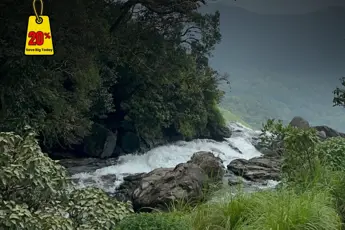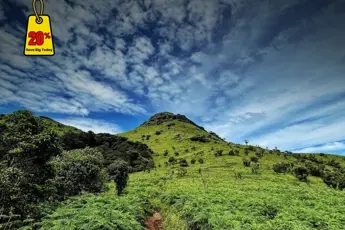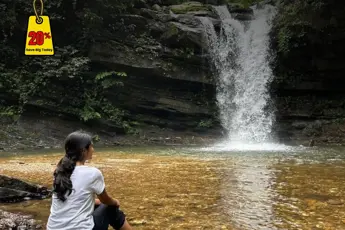

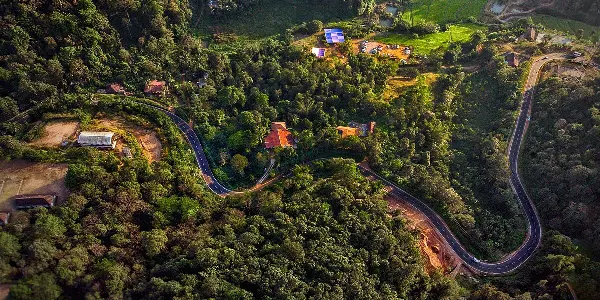
Coorg, or Kodagu, is a very picturesque district in the heart of the Karnataka Western Ghats, India. History in this place flows as deep and wide in diversity and richness as this natural beauty does to frame the region. From hilltop greenery to mystic shrouded misty valleys and coffee plantations, Coorg has remained long the land of fable, myth, legend, and tradition. Due to various dynasties, invasions, and varied rulers, influences in the Coorg history go a long line back through a thousand years due to which this region has built and shaped up the cultural identity of the people from ages upon ages till the very present.Coorg HistoryThe early history of Coorg goes as far back as when the early Kadamba Dynasty ruled over the place within the period of the 4th to the 6th century CE. This region saw Kadamba rule, at least going by the inscriptions and the temples. Those who believe to have originated from these early settlers are called Kodavas. Their mode of life, their tradition, language make them a special group, and they occupied this area more than a thousand years back. Although the various relevant theories that pertain to the origin of life as such exist in their various pluralities, still, it is generally understood that they have been a part of the region for several decades and have only later conceptualized and developed the culture and identity of Coorg. Discover more scenic escapes in our Weekend Getaways from Bangalore guide filled with hill stations and nature destinations.Although that comes later, it was also that during the Chola Dynasty time of the 9th Century, and because of this culture, the architectural designs were mostly due to an influence. The Cholas had military strength and were in charge of the policy-making for the expansion and wanted Coorg to be under their southern kingdom. On the other hand, at the very same time, many flowers of temples and religious events boom over the area. There are some of the remaining temples that survive till now as proof of the influence of Chola's upon Coorg, like the Omkareshwara Temple in Madikeri.Origin of KodavasKodavas' identity came up in the 11th century. At that time, the Coorg region was ruled by several local chieftains who were members of the Hoysala Dynasty of the 12th and 14th centuries. The Hoysalas had highly impacted the political scenario of the region as the most popular ruler of the Hoysalas was King Vishnuvardhana who had his empire in the Western Ghats, which includes Coorg. This ruling power was patronizing trade and agriculture in well-balanced proportion both of which flourished greatly in the rich soil of Coorg. They went about spreading the Hindu religion besides constructing temples. Several Hoysala styles of architecture such as stone carvings with intricate designs may be seen in some temples of this region. This led to a great influence of the Vijayanagara Empire in the 14th century, raising the historical significance of Coorg many notches. The region under the rules of the Vijayanagara period was marked by the norm of conditions of peace and prosperity. It was, in fact, the time when Coorg could enjoy its relatively independent kingdom with the ruling Kodava kings establishing autonomy and above all, protecting it against foreign conquest. As a result, they gained recognition in their warrior culture whose centre was martial culture. The most critical phase in the Coorg's history happened in the time of Wodeyars of Mysore who had conquered Coorg in the late 17th century. Although they were the rulers of the Kingdom of Mysore, Wodeyars wanted to dominate the Kodagu region. In the early 1600s, Wodeyars consolidated their leadership over Coorg by the reign of Chikka Devaraja Wodeyar. It strategically marked its significance since it proved a crucial buffer between the strong states of southern Marathas and Mughals to their kingdom. In this era, the Kodava kingdom underwent many developments under the Wodeyars. Wodeyars formulated an efficient administrative system accompanied by roads, temples, and forts at every nook and corner of Coorg. The present day's district headquarters, Madikeri was one of the major towns during those times. The other contributions that were brought by Wodeyars to Coorg were arts, culture, and religion. They only strengthened Hinduism further but developed local customs too. This became one of the most brilliant viewpoints for this period in Madikeri: the Raja's Seat. It is even quite popular as a palace retreat for the royal family today. Looking for cool-weather destinations? Explore our Hill Stations Near Bangalore for Weekend blog.Best time to visit:Coorg can be visited between October to March. It is the post-monsoon and winter seasons. The weather is cool and pleasant from 15 to 25°C. Hence, one can have delightful trekking, see the beauty of the place around and even view the coffee plantations. During post-monsoon, the sky becomes clean along with landscapes get green and offer an excellent opportunity to relish nature's beauty. It is also the time of all the major Coorg festivals like The harvest festival and Kodava New Year so there are enough chances to get immersed in local customs. Even when it's summer, March to June, it's quite a good time to visit, Coorg can make it up to 30°C cooler than the plains, so it is good if one wants to go away from some heat, but too warm in case of the post-monsoon period. This is heavy monsoon rain that occurs during June and September months, so it will be quite challenging in the line of sightseeing; but if you want the ambience and to see waterfalls at their full fury in Coorg, then this is a pretty distinctive experience, though some roads, even trekking tracks would be impassable. Experience waterfalls, coffee estates, and nature trails with our Coorg trip package from Bangalore.Nearby places:Madikeri Fort in Coorg: This is the capital of the Coorg district, and Madikeri Fort happens to be a historical landmark. It was a fort built back in the 17th century by Mudduraja, later extended by the British. A museum has all the artefacts and local history. The style of architecture for the fort reflects both Hindu and Islamic architecture. Panoramic views of the town along with the hills make this attraction one of the must-visits in Coorg.Abbey Falls (In Coorg): This pretty fall, among several falls located in Coorg, is Abbey Falls, 8 km from Madikeri. Nestling among coffee plantations and a spice garden, this falls from a height of 70 feet. Especially breathtaking in view during monsoon when the falls are in full flow, one would prefer to make a short trek through the forest to stand at the viewpoint for having a close experience of the falls.Omkareshwara Temple (In Coorg): This temple is within walking distance from the town of Madikeri. This Omkareshwara Temple is one of the finest examples of fusion between styles of architecture by Hindus and Muslims. In the late 19th century, this temple was built by King Linga Rajendra in memory of Lord Shiva. A very beautiful water pond forms a central hub in this temple. With all kinds of green in silent surroundings, and a unique style, this place should never be missed by Madikeri tourists.Raja's Seat (In Coorg): This observation point is located close to Madikeri, which is well-known for its views of the misted-covered hills and valleys of Coorg. The word used in its naming, that is "Raja's Seat", finds its basis from this truth: that it had been the local king's seat where they sat watching sundown. Beautifully done-up gardens surround this observation point. It's a great place to relax shoot pictures and just look.Nisargadhama (About 26 km from Coorg): Nisargadhama island lies within closeness to Kushalnagar which is developed by the Kaveri River. The isolated retreat of the island accommodates the premises of bamboo groves, a teak forest along wildlife animals. Yet it also forms a picnic spot, wherein nature walks and boating rides with the accompanying elephants are permitted here. This place has deer and rabbits along with peacocks, so there will always be a chance that those creatures might visit this island otherwise being a natural retreat.Dubare Elephant Camp: Dubare Elephant Camp is 30 km from Coorg, Dubare Elephant Camp is a participative elephant camp located along the River Kaveri. Here, every visitor becomes close, bathes, feeds these elephants and keeps updated through the camp on what education and care they extend in it. This too can be a very nice place to get familiar with the efforts being extended toward wildlife conservation throughout this region.Talacauvery (48 Km from Coorg): This source site of the Kaveri River was one of those rivers in India, revered sites for Hindus. Situated at Brahmagiri Hills, the sacred site had the presence of Goddess Kaveri temple. The very beautiful landscape is encircled by hills and valleys with great scenes; hence it is good for spiritual as well as nature-loving tourists.Iruppu Falls (Around 48 km from Coorg): Another pretty waterfall of Coorg is Iruppu Falls. These waterfalls flank the Brahmagiri Hills and lie amidst forests. The trek to reach the falls has once again, sights of the forest and undulating hills. This too has its sacred significance for the Hindus as this was one of the places where Lord Rama rested during his expedition to find Sita. Here one can bathe to purify oneself and can also join the ritual that is conducted at a nearby temple.Brahmagiri Hills (Around 45 km from Coorg): The Brahmagiri Hills are part of the Brahmagiri Wildlife Sanctuary. The hills are highly prominent trekking places. The panoramic view of the Coorg region from the top is breathtaking. There is excellent diversity in flora and fauna on the hills. Elephants, tigers, and other species of birds can be seen roaming about. It is excellent for those who love wildlife and adventure.Golden Temple - Namdroling Monastery (Approx. 34 km from Coorg): Golden Temple in Bylakuppe is the largest Tibetan settlement in India and still is a major cultural and religious destination. The monastery houses breathtaking golden statues of Buddha colorful murals and Tibetan architecture. With its peaceful ambience and beauty, the monastery offers a very important visit; it offers an experience of Tibetan Buddhism and culture.Honnamana Kere Lake (Almost 30 km from Madikeri): Honnamana Kere Lake is a completely refreshing freshwater lake that lies beside the village of Gonikoppal in Coorg. The lake is an important location for the people because the legend associated with the woman called Honnamana who dedicated her entire life to the cause for the welfare of the masses has its origin. It is surrounded by many hills and hence, a very good place to have a picnic or just take a boat ride there and then just sit inside the water.Cauvery Nisargadhama (About 28 km from Coorg): River Kaveri, close to Kushalnagar has created an attractive island, which draws nature lovers in. One can enjoy boating, an elephant ride, or just pass through nature. Be that this place has deer and peacocks and, in some seasons, it has even other animals also, so it is most apt for a family tour or a quiet day under the nature.Pushpagiri Wildlife Sanctuary (About 30 km from Coorg): Pushpagiri Wildlife Sanctuary is a perfect haven for wildlife enthusiasts, bird-watching, and trekkers. Flora and fauna range includes Malabar Grey Hornbill species that are on the brink of extinction. Another endangered species found here are Lion-tailed Macaque. The summit Pushpagiri is a constituent part of this sanctuary. It offers panoramic views of the forests and hills here.Mandalpatti (Around 20 km from Madikeri): Mandalpatti is one of the hilltops, which provides some of the most spectacular views of Coorg. Jeep rides or hikes to the top can be undertaken, and panoramic views of the coffee plantations and mist-covered valleys can be savoured. Mandalpatti is one of the places, which is the most photographed and trekking spot and the beauty of this landscape makes it a sought-after destination for nature lovers to explore.Kushalnagar (Approx 30 km from Coorg): Kushalnagar is the town in Kodagu district from where there are scenic tourist attractions within Coorg. This place has the Golden Temple and is a take-off point for other nearby sites such as Dubare Elephant Camp and Nisargadhama. Kushalnagar is quite laid-back and provides an excellent base to explore and view the local natural as well as cultural attractions.Adventures and Activities:For anyone looking for something more thrilling or getting an experience different from anything else, Coorg offers camping as well as glamping. Coorg is one of the most excellent options for camping in nature. This guesthouse is in the surroundings of woods, hill stations, and plantations. From the simple pleasures of nature having a bonfire or stargazing to just mere nature walks-it is comfortable because of its comfort-provided beds, electricity, and a private bathroom. The thrill of camping next to the comfort and convenience of staying in a hotel keeps the travelers comfortably in position hence good for the outdoorsy type but not missing any comfort.Coorg is very scenic but just happens to be a destination for adventures that offers so much to adventurers. Amongst the most frequently pursued activities areHiking: There is the trekking trail, within a short climb, to Iruppu Falls from Brahmagiri Hills, and Pushpagiri. Treks may range from easy strolling to stiff climbs.Whitewater Rafting: This adventure can be ventured on in the Kaveri River. Suggested locations to experience the whitewater rafting ride would be the water stretch in Dubare.Camping: Coorg has plenty of camping places along the river banks and amidst coffee plantations. It provides an experience through which one can get close to nature and savour the tranquillity of the hills.Mountain Biking: The mountains provide just the right amount of tracks and trails for riding mountain bikers.How to Reach:By Air: Mangalore International Airport (IXE) is the nearest airport at a distance of 140 km with flights from Bangalore, Mumbai, and Chennai. Bengaluru International Airport (BLR) is around 260 km but much more in terms of flight.By Train: There is no railway station in Coorg. The nearest major stations are Mysore Railway Station, 120 km from Coorg and Mangalore Railway Station, 140 km from Coorg. Taxis and buses can be accessed from these stations to reach Coorg. It is possible to access Coorg from the nearby cities, which are road-accessible. NH 275 offers a distance nearly about 250 km from Bangalore which is around 5-6 hours long. In addition, it also takes routes to Mysore which takes almost 3 hours and Mangalore which distances approximately 3.5-4 hours. Through this, it's easy to get eye-catching views while road travelling to get to that amazing Western Ghat so really one can see all those attractions.By Bus: There are luxury buses as well as other regular buses that travel to Coorg from Bangalore, Mysore, and Mangalore. Normally the distance takes nearly 5-7 hours. Taxis, private cars, and auto-rickshaws are pretty convenient for local travelling around Coorg. One can hire cycles or motorbikes for sightseeing in the beautiful areas of Coorg.