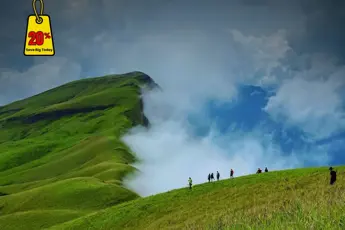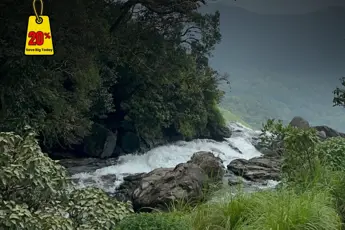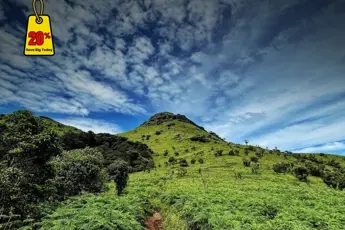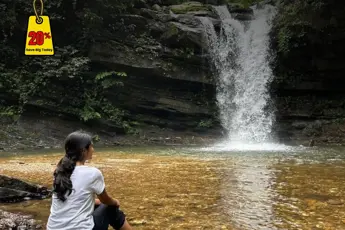


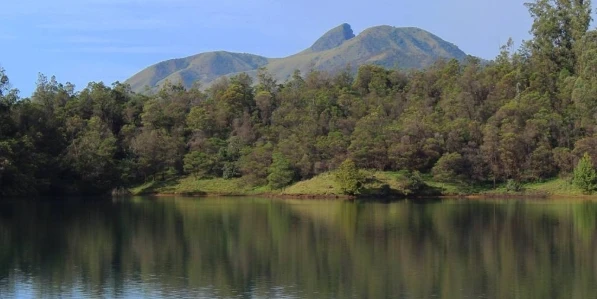
The most captivating of South India's natural locales, Mukurthi Peak soars high over Tamil Nadu's Nilgiri Hills. At 2,554 metres (8,379 feet) of altitude, the peak lies in the Nilgiri Biosphere Reserve and is renowned for its beauty, richness in biodiversity, and ecological importance. Compared to the local hotspots of Doddabetta, Peak is sparsely inhabited and therefore bliss for nature and adventure sports buffs. The peak was so named after the Toda tribes that originally inhabited the Nilgiri Hills centuries ago. It is a sacred and respected peak to the Toda tribe. Visitors exploring Nilgiri landscapes often choose our Mukurthi Peak Trek Package to experience nearby attractions and hill scenery.Aside from its religious nature, the peak is also one of the major attractions of the Mukurthi National Park, created nearly solely to preserve the Nilgiri Tahr, a species of wild goat native to this area and designated as endangered. The Peak's landscape consists of rolling grasslands with patches of dense shola jungles to create a picturesque patchwork of greens. Due to its elevation and natural importance, The Peak entry is controlled and trekking by permitted only. The tours are packed with scenery for the valleys surrounding, thick forests, and lakes so clear-cut that they shine like glass to make it one of the favourite spots surrounded by people in search of the unblemished beauty of Nilgiris. Nature lovers and wildlife enthusiasts can discover more destinations through our Weekend Getaways From Bangalore guide.Major Attractions in the ParkNilgiri Tahr habitatThe park is the sole one among the parks where a tourist has an opportunity to view the Nilgiri tahr in their natural habitat. The goats prefer to climb rocky hills and mountain slopes and are seen cheerfully scanning all the commanding positions.Shola Forests and GrasslandsThe park's topography is dominated by the widespread shola habitat in the shape of dense high-level evergreen forests with intervening broad grasslands between them. The typical biome consists of some endemic vegetation with some medicinal properties.Mukurthi PeakOne of the best trekking places in the park, The Peak provides a bird's-eye view of the remaining part of the Nilgiri Hills. It is moderately sloped and well worth the effort, though. The game viewing and nice scenery are dividends for the trekkers on the trek.Western Catchment AreaIt is the park's most beautiful sector, home to virgin lakes, vast expanse of grassland, and secretive glimpses into rare bird species. It also happens to be one of the primary water sources for lands neighboring the park and therefore part of the ecobiological contribution of the park.Diversity of birdsBird enthusiasts visit Mukurthi National Park to observe the park's endemic and migratory bird population like the Nilgiri flycatcher, laughing thrush, and Malabar trogon. The birds nest in the pristine shola forests, and the park becomes an important bird habitat for refuge.Nearby Places to Visit Around Mukurthi PeakMukurthi National Park (Inside the park)A UNESCO-listed biosphere reserve, home to the endangered Nilgiri Tahr and diverse wildlife.Ideal for wildlife photography, birdwatching, and nature walks.Avalanche Lake (30 km)A serene, offbeat destination surrounded by shola forests.Famous for fishing, camping, and photography.Upper Bhavani Lake (35 km)A hidden blue-water lake with breathtaking views.Requires special permission to visit; ideal for peaceful getaways.Emerald Lake (35 km)A scenic lake known for its calm waters and lush green surroundings.Great spot for picnics, sunset views, and photography.Ooty (45 km)A popular hill station with attractions like Ooty Lake, the Botanical Garden, and Doddabetta Peak.Perfect for a relaxing stay and local sightseeing.Best Time to Visit for TrekkingWinter (November – February) – Best TimeCool and comfortable temperatures (10°C – 20°C).Clear skies with breathtaking views of the Nilgiri Hills.Ideal for spotting wildlife like the Nilgiri Tahr.Early Summer (March – April) – Good TimeSlightly warmer but still comfortable for trekking.Blooming flowers add beauty to the grasslands.Less crowded compared to the peak winter months.Monsoon (June – September) – Not RecommendedHeavy rainfall makes trails slippery and dangerous.Trekking is often restricted due to landslides and leeches.Peak Summer (May – June) – AvoidableTemperatures can rise above 25°C, making the trek tiring.The dry season reduces greenery and scenic appeal.How to Reach Mukurthi PeakNearest Major City & AirportCoimbatore International Airport (CJB) is the nearest airport, about 140 km away.From the airport, you can hire a taxi or take a bus to Ooty.Reaching Ooty (Base Location)By Road: Ooty is well connected to major cities like Bangalore (270 km), Coimbatore (85 km), and Mysore (125 km). You can take a bus or drive via NH181.By Train: The nearest railway station is Mettupalayam (40 km from Ooty). From Mettupalayam, you can take the famous Nilgiri Mountain Railway or a taxi to Ooty.Getting to Mukurthi National ParkThe Peak is located inside Mukurthi National Park, about 45 km from Ooty.Private vehicles are not allowed inside the park, so you need to obtain permission from the Tamil Nadu Forest Department and hire an authorized guide.