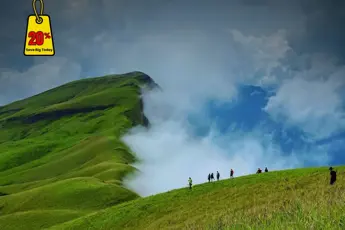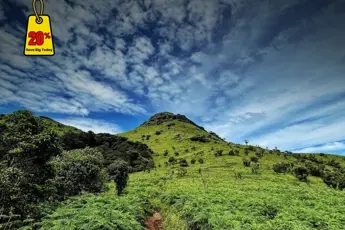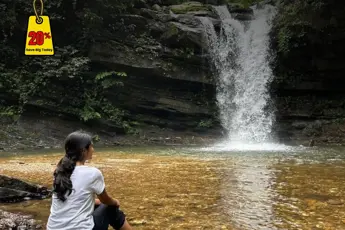


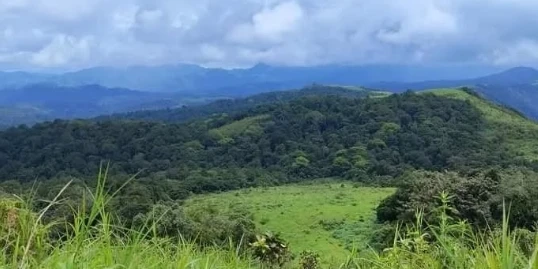
The term Valikunja is self-explanatory as far as cultural prosperity, historical significance, and profound intensity are concerned. From the perspective of etymological history and mythological suggestions, the name has been interpreted by a full range of different meanings in various periods and locations. It is draped in mystery and age and therefore becomes a subject of admiration of superior research by historians, linguists, and culture connoisseurs. Those seeking peaceful forest adventures often choose our Valikunja Trek Package.Valikunja is of extreme cultural and historical significance, particularly in Indian mythology. If identified with the mythological king Vali, then it can be identified with ancient Kishkindha, the mythic kingdom of Banaras. The Kishkindha, as noted in the Ramayana, is stated to have existed where Karnataka exists currently, near the Tungabhadra River. Then Valikunja would be a small but significant historical place, greatly venerated in local myth. Culturally, it might be linked to various dynasties and religious establishments that prospered in India. Most medieval temples and ashrams were built in groves or sacred forests, which were the epitome of a "kunja." The concept of religious retreats in groves has been prevalent in Indian history, particularly in Hinduism and Buddhism. Trekking enthusiasts can explore more offbeat mountain experiences through our Treks Near Bangalore guide.Adventure ActivitiesThe diversified landscape of Valikunja is a haven for those looking for adventure.Trekking: Ajji Kunja Trek, or Valikunja Trek, is a popular trekking route that keeps the trekkers in a thorny patch of shola forests, meadows, and challenging ascent. The trek of around 18 kilometres round trip leads the adventurers to the destination at Valikunja Peak, which stands at a height of 1,089 meters. The last phase is a 70-degree steep climb with great views of the Udupi district and the surrounding scenery for the adventurers.Camping: The Peaceful surroundings surrounding and within Valikunja provide the ideal place for camping. Campers can camp amidst grasslands or at the edges of forest clearings, resting nights under star-studded skies and rising mornings to calls of wildlife at sunset. Camping has to be done responsibly in a manner that the green effect is small and the rules of the forest department are strictly adhered to.Nature walks: For a leisurely outing, nature walks are a chance to discover the diverse flora and fauna of the Western Ghats. Nature walks provide visitors with a chance to encounter endemic plants and animals, study medicinal plants, and observe the delicate texture of the forest habitat.Nearby placesKudremukh National Park – A paradise for trekkers and nature lovers.Hanuman Gundi Falls – A stunning waterfall amidst lush greenery.Agumbe – Famous for breathtaking sunsets and rainforests.Sringeri – A spiritual town with the historic Sharada Peetham.Karkala – Known for its ancient Jain temples and a monolithic statue of Bahubali.Udupi – A coastal town famous for the Krishna Temple and delicious cuisine.Manipal – A lively university town with cultural attractions.Mullayanagiri Peak – The highest peak in Karnataka, perfect for trekking.Tunga River Bank – A serene spot for relaxation and nature lovers.How to Reach Valikunja, KarnatakaValikunja is a serene destination in Karnataka, well-connected by road, rail, and air. Here's how you can reach it:By Airport: The nearest airport is Mangalore International Airport (IXE), about 90 km away. From the airport, you can hire a taxi or take a bus to Valikunja.By Train: The closest railway station is Udupi Railway Station (about 60 km away). Mangalore Railway Station (about 90 km) is another major railhead. From there, taxis and buses are available.By Road: Valikunja is accessible by road from cities like Mangalore (90 km), Udupi (60 km), and Karkala (40 km). KSRTC and private buses operate from nearby towns. You can also drive or hire a cab for a scenic road trip.