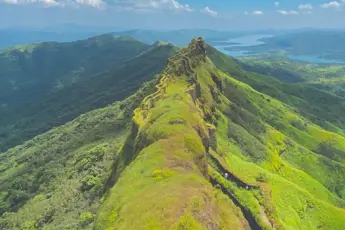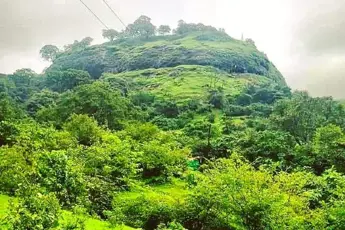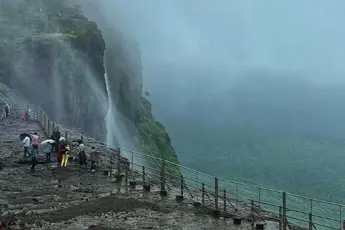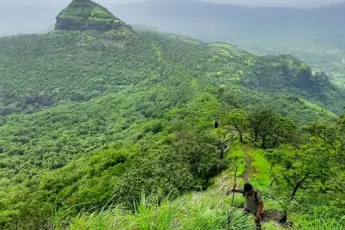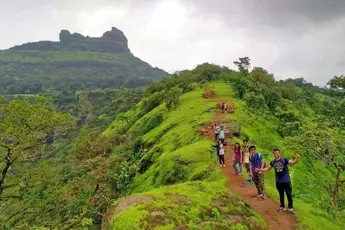


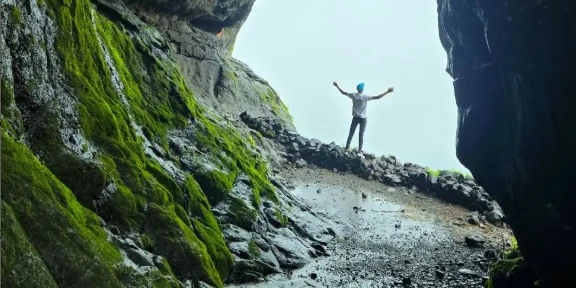
Ghangad Fort also has a rich heritage of great history spanning many centuries. It was first constructed as a defensive fort, and it was the centre of the military and political status of the region. Even though there is no definite information about its actual past, it is mentioned that the Marathas' fort was absorbed into the British empire during times of colonization. Ghangad Fort was also a treasure house and a jail with other primitive provisions during the years when it was in service. Most important in the context of Ghangad Fort would be its relation to the Maratha Empire, most especially so when Chhatrapati Shivaji Maharaj was in power. Plan your next fort adventure with our Ghangad Fort Trek Package.The fort had the importance of putting them in such a place that they would be in a position to control through what avenues the trade of the area would flow. During the Peshwa regime subsequently, the fort remained for military and administrative purposes. During the early British era, Fort Koshikare was omitted from development and remained vacant. Overview of Its Strategic Importance The location and layout of Ghangad Fort are the reasons why it was strategic. Situated in the Sahyadri range hill country, the fort served as a forward position to keep a lookout for the enemy and control major commercial roads. The Western Ghats were never a safe country, and forts like Ghangad had to be kept to be able to command territories. Adventure seekers can browse more routes through our Treks in Maharashtra guide.Trek Starting Point and RouteGhangad Fort trek starts from Ekole Village, which is the base village for the expedition.Trek Route Overview:Trek Distance: Approximately 2 km (one-way)Approximate Time: 1.5 to 2 hours (one-way)Difficulty Level: Easy to moderateBest Time to Visit: June to February (Monsoon and winter season provide the best trekking experience)Nearby PlacesTailbaila Rock Formations: Tailbaila or Telbaila is a cluster of ginormous rock pillars forming an anomalous feature of the Western Ghats. A rock face off Lonavala is where this one lies, a heaven for trekkers and rock climbers and a dream holiday place for any sportsman. The two rock summits are an old vestige fort, and between them there is a narrow valley. The surroundings provide broad and breathtaking exposures of the Sahyadri hills stretched out in the country and thus a heaven for nature enthusiasts and seasoned photographers.Mulshi Dam and Tamhini Ghat: Mulshi Dam is Maharashtra's finest reservoir on river Mula. It is the region's biggest source of hydroelectricity but a sight for tourists apart. Mulshi Dam is nature enthusiasts' paradise since it is located in the lap of the Sahyadri hills' greenery. The dam appears even more beautiful during monsoons when the whole scene is dotted with a sea of grass and the water level is at the highest.Sudhagad Fort: Sudhagad Fort or Bhorapgad is a stunning hill fort in Raigad district, Maharashtra. It is situated on an elevation of about 2,030 feet and was constructed in the 2nd century BC. It was originally intended to be constructed by the Bahmani Sultanate, but Marathas, led by Chhatrapati Shivaji Maharaj, captured it and subsequently fortified it. The ascent to Sudhagad is easy and hence the most suitable for beginners and veterans alike.Korigad Fort: Lonavala Korigad Fort is a scenic fort, which is every historian's and trekker's paradise. It is at a height of 3,050 feet and was built in the 15th century before coming under the control of Chhatrapati Shivaji Maharaj. The fort came under the protection of Marathas and remained steadfast with its overpowering past. The climb to Korigad is relatively less affluent than other climbs in other forts of the geology and ideal for newbies. It's built atop a sequence of stair-like places on the ground level of the fort and it'll take about one hour of walking.How to Reach Ghangad FortBy Train: The closest railway station is Lonavala Railway Station, and it is very well connected with Pune and Mumbai. Lonavala is a halt station between the two railway tracks between Mumbai and Pune and is therefore accessible to other travelers from anywhere in India. You may take a local bus or private taxi from Lonavala to Mulshi or Ekole Village, the nearest point to start the trek. Auto-rickshaws and shared jeeps can also be found from Lonavala to the base village.By Bus: Regular buses from Pune, Lonavala, and Mumbai are operated by Maharashtra State Road Transport Corporation (MSRTC) to Mulshi and surrounding villages. There can be limited direct bus availability to Ekole Village. Mulshi Dam or Ambavane Village might be accessible by bus and a private vehicle or taxi hired for Ekole.Lonavala (30 km) – Nearest tourist centre and major townPune (110 km) – closest metropolitan cityMumbai (150 km) – metropolitan city within reach of all Indian mainlandMulshi (40 km) – most visited weekend outing, fort proximityEkole Village (2 km) – closest village to trekking siteBy Private Vehicle: The most comfortable mode of visiting the fort is self-drive or cab.Pune through Paud – Mulshi – Ambavane – Ekole drive.Mumbai through Mumbai-Pune Expressway up to Lonavala and then local roads up to Bhamburde – Ambavane – Ekole drive.Park at Ekole Village, and the trek starts from there.