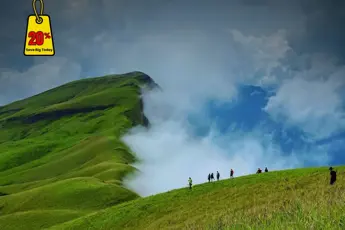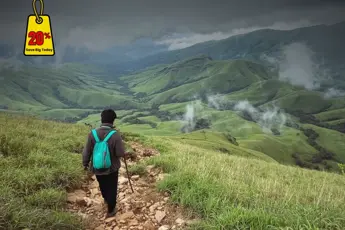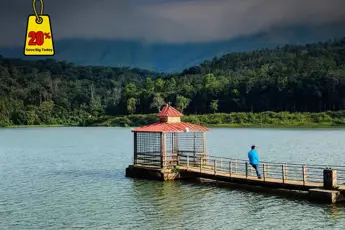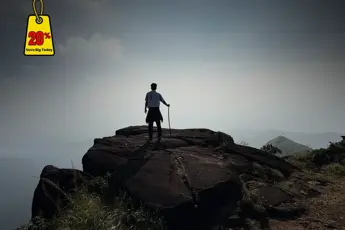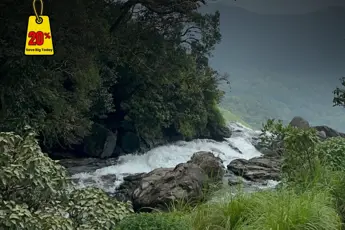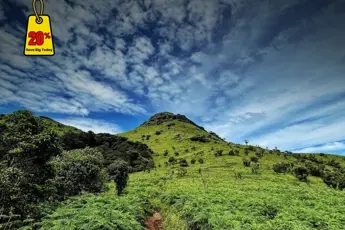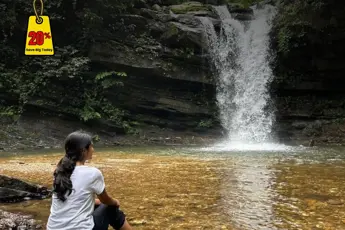

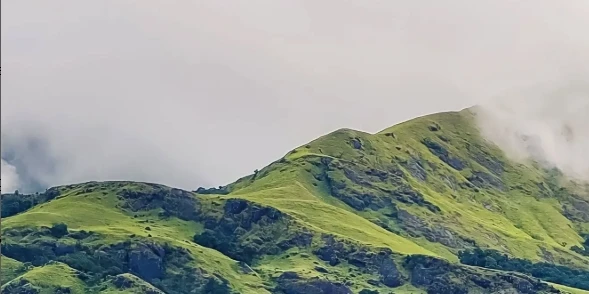
Wayanad district in Kerala state's Chembra Peak is not merely famous for its terrain and trekking trails, but also a historically and culturally meaningful location. Rising to 2,100 meters above sea level, the Chembra Peak remained a quiet witness that watched with a keen eye the mythological valleys of the Western Ghats replete with mythologies, yesteryear fables, and the cultural heritage of ancient aboriginal tribal communities. Its summit and the forests around it were inhabited and also revered by Wayanad's indigenous population, i.e., the Paniyas, Kurichiyas, and Adiyas. They have been living alongside nature since time immemorial and regard Chembra and its outskirts as sacred territory. Its forest-clad mountain slopes were once routes and secret routes for tribal people and indigenous kings, especially in war or while marching. Wayanad was once a major centre for numerous South Indian dynasties, Vedas, Pazhassi Rajas, and even Mysore's Tipu Sultan. Dense jungle and the summit top of Chembra have been reported to have been used as hideouts and watchtowers to fend off colonial troops. These hills were guerrilla war terrain in the late 18th century by the illustrious freedom fighter Pazhassi Raja against the British East India Company. Although there is scarce direct mention in the books of history regarding Chembra Peak, its position towards the centre of the then highly forested and contended Wayanad district places it within this wider context. Travelers planning mountain adventures and scenic getaways can discover more experiences through our Treks Near Bangalore guide.Hridaya Saras, which is a heart-shaped lake in the Chembra hills, has mythological significance too. According to them, it was formed by a lover's tears of a magician, and all the myths establish it as immortal and magical. The lake never vanished even during the driest summer and therefore has its mystic as well as its religious significance. Chembra Peak was the ecotourism destination of the previous decades. The Kerala Forest Department made every effort to preserve the ecological and historical integrity of the region with trekking rules and biodiversity conservation. But myth, tribal tradition, and centuries of peace are distant scents along the path, and thus the Chembra Peak trek is even now not merely an adventure in the physical, but a passage through the multi-faceted past and soul of Wayanad. Nature lovers and trekking enthusiasts often choose our Chembra Peak Trek Package for a guided Wayanad adventure with breathtaking views.Places nearby Chembra PeakPookode Lake: The 15 km wide Pookode Lake, sitting atop Chembra, is a calm, fresh water lake situated in thick evergreen forests of Wayanad. India map-shaped, the lake is generally a picnic and boating area. There is an aquarium, a children's park, and a handicraft shop, so the site remains a popular family day-out destination.Soochipara Waterfalls: The three-level Sentinel Rock Waterfalls are 25 km from Chembra and provide a cool nature escape. They plunge 200 meters to blue-green water below, perfect for a swim or a snapshot. Thrills are provided by the short car drive through dense forests to the waterfalls.Edakkal Caves: The Edakkal Caves, an archaeological marvel, are about 35 km from Chembra Peak. One finds petroglyphs and engravings that date back more than 6,000 years ago that leave one with hints about human existence in the past. A moderately inclined walk to the caves is rewarded with stunning views and an archaeological treasure that makes the trek worthwhile.Wayanad Wildlife Sanctuary: It is a wildlife sanctuary close to Muthanga and Tholpetty, approximately 40 km from Chembra Peak and falling under the Nilgiri Biosphere Reserve. It contains elephants, tigers, leopards, deer, and birds of various species. Safari tours can also be reserved here, through which it is simple to see the immense biodiversity of the location firsthand.Meenmutty Waterfalls: Located about 30 km away, Meenmutty is a large waterfall in Wayanad that drops 300 meters in three steps. The moderately challenging trek must be undertaken to view the falls, but water flowing through dense forest cover makes it a crowd puller among nature lovers as well as photographers.Banasura Sagar Dam: 40 km from Chembra, India's largest earth dam. Boating and scenery with scenic views in the hilly region within and without misty hills surrounding and around about the dam, as well as the lake, are facilities. Also ideal picnic spot along with the perfect place to unwind after trekking.Best Time for Chembra Peak TrekkingWinter (November-February): This is the best season for trekking to Chembra Peak. The weather will be between 10°C and 25°C, with fresh and cool air and nice weather, which makes trekking easy and convenient. The weather will be clear during this time, which will easy to see the wide-angle view of the path and the top. The landscape is greenish in hue, and the heart-shaped lake, Hridaya Saras, appears especially romantic. This is also the best time to click and see unusual fauna and flora along the way.Post-Monsoon (September to October): Immediately after rains in the monsoon months, Chembra Peak is a green haven. Forest and grassland are green, and small streams might be running along the trail. The weather is fine, and the track is renewed, but extremely slippery in certain points. This is the ideal time for nature lovers and all such people who want to experience the Western Ghats in their flowering glory. But proper precautions should be taken not to get bitten by leeches, and proper dressing has to be done while venturing out for trekking during this season.Summer (March to May): Summer in Wayanad is very hot, with day temperatures staying between 30°C. Although the mornings and evenings are nice, the sun during the daytime is too hot to be able to hike any longer, especially for a novice. But Chembra being a high-altitude hill, the hill itself would be cooler than the surrounding lowlands. If you are visiting there in summer, reserve your trekking tour early morning and carry sufficient water so that you may satisfy your thirst.Monsoon (June to August): During the rainy season, heavy rain occurs in Wayanad, and trekking to Chembra Peak is hazardous and challenging. The trail becomes sloppy and slippery, and has been slipping. Further, the vision is not clear in mist and fog, and you also have leeches on the trail. The forest department also keeps on trekking in this off-season because it is for safety as well as for not prevent erosion of the trail. Skipping the trek during monsoon is a good idea, and one should wait for freshness post-rains.How to reach Chembra PeakBy Airport: The closest airport to Chembra Peak, i.e., around 92 km, is Calicut International Airport (Kozhikode Airport). Airport to Kalpetta is accessible with the help of a taxi or bus, which is a big town in Wayanad. The journey by road is around 3 to 4 hours, and for that, a view of the Western Ghats can be seen. Chembra Peak, 15 kilometres from Kalpetta, is accessed by taxi or bus to Meppadi, a village base near the forest office where trekking begins.By Train: The nearest major railway station is Kozhikode Railway Station, 79 kilometres from Kalpetta. Kozhikode is nicely connected with major cities such as Bangalore, Chennai, and Kochi. Kalpetta or Meppadi can be approached from Kozhikode by bus or taxi. The drive experience is picturesque with an introductory view of Kerala's green belt, coffee estates, and bends.By Road: Wayanad is also well connected to most neighbouring towns and cities by road. Drive or go by bus to Kalpetta or Meppadi, your choice. Daily services are run by KSRTC state buses and private operators from Bangalore (280 km), Mysore (130 km), Kochi (275 km) and Kozhikode (72 km). From Kalpetta, get an auto-rickshaw or taxi to the Meppadi forest office, where the trek starts to Chembra Peak.