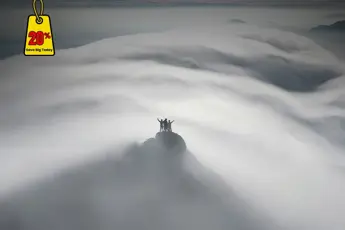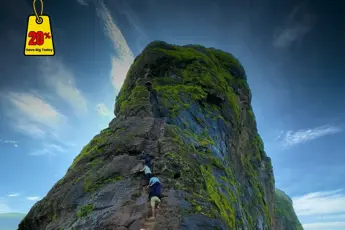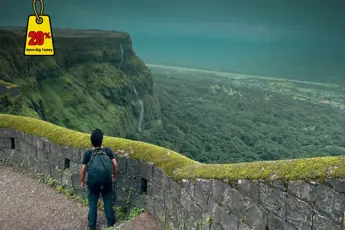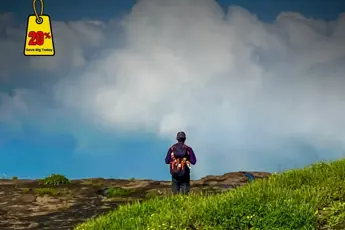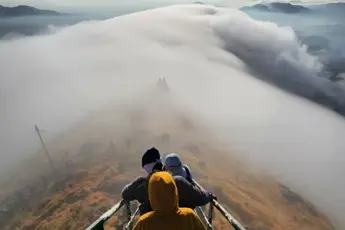

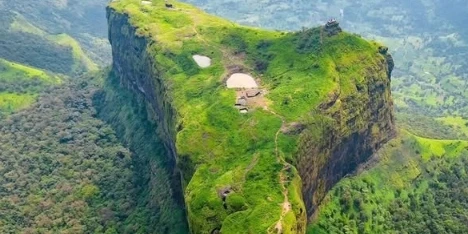
Harihar Fort, also known as Harshagad, is one of the most unique and thrilling trekking destinations in Maharashtra. It is located in the Nashik district in the Western Ghats, with an elevation of approximately 3,676 feet above sea level. It is well-known for its steep rock-cut step that almost appears vertical, making it a thrilling experience for adventure enthusiasts. The trek to Fort gives a scenic view of the surrounding Sahyadri range, lush green valleys, and old ruins that send the trekkers back into the past. The fort has a tough climb but is quite rewarding and continues to be the favourite of all trekking enthusiasts and history lovers.Harihar Fort is a relic of the Yadava dynasty period when the Yadavas built many forts in Maharashtra. Later on, it proved to be a Bahmani Sultanate and was captured by the Mughals. At last, it finally came into the hands of the Marathas; they utilized it as an important view tower that would monitor the trade between Nashik and Gujarat. The topographical advantage helped safeguard the locality from attacks by enemies. Though it is in ruins, the remnants of its glorious past, such as ancient water tanks and fortifications, provide an insight into what this place was. The fort is a witness to the rich heritage of this region and the bravery of the rulers who have ruled it. Trekking enthusiasts can explore more adventures through our Treks in Maharashtra guide.Nearby Places to Visit Near Harihar Fort TrekThis Fort, located in the Nashik district of Maharashtra, is a popular trekking destination. If you're planning a trek here, you can also explore the following nearby attractions:Trimbakeshwar Temple (25 km)One of the 12 Jyotirlingas dedicated to Lord Shiva.Famous for its ancient architecture and religious significance.Anjaneri Fort (20 km)Believed to be the birthplace of Lord Hanuman.Offers breathtaking views and a moderate trek.Brahmagiri Hill (25 km)A sacred hill near Trimbakeshwar.Known for its scenic beauty and panoramic views of Nashik.Vaitarna Dam (40 km)A serene getaway for nature lovers.Ideal for photography, picnics, and boating.Dugarwadi Waterfall (30 km)A hidden gem surrounded by lush greenery.Best visited during the monsoon season.Kalsubai Peak (60 km)The highest peak in Maharashtra.A challenging trek with stunning sunrise views.Sula Vineyards (45 km)India’s most famous vineyard and wine-tasting destination.Offers guided tours, wine tasting, and a beautiful ambience.Igatpuri (50 km)A hill station with waterfalls, trekking spots, and lush greenery.Home to the famous Vipassana International Meditation Centre.Sandhan Valley (70 km)Known as Maharashtra’s Grand Canyon.Offers rappelling, trekking, and adventure activities.To Reach Harihar FortThis Fort accessible can either be wholly on roads as well as mixed with some kind of trekking. This kind of trek will mostly start as well as have the base from a base village. Nirgudpada, further can be accessed mainly from where the beginning will be, since accessibility is relatively smoother from here, and marks almost every pathway. Further in villages, one would either need to board a train or roads covered with buses with private modes of transportation. Adventure seekers can plan their journey through our Harihar Fort Trek Package.Nearest Railway Stations and Bus Stopping PointsThe nearest railway station to the Fort is Igatpuri which is 40 km away from it. It is easily approachable to bigger cities like Mumbai, Pune and Nashik due to frequent availability of trains. From Igatpuri one can go to Trimbak by local taxi, auto rickshaw, or state transport bus or may go directly to Nirgudpada.Another alternative location would be the Nashik Road Railway Station about 50 kilometers from the fort. This railway station in Nashik is among the very busiest in the state of Maharashtra, with rails linking many principal cities of the country. Bus and private cab facilities are there at Nashik that reach directly up to the destinations Trimbak or Nirgudpada.For those who want to come here by bus, the nearest big bus stop will be Nashik CBS or Central Bus Stand. MSRTC buses are easily available from Mumbai, Pune, and other cities to Nashik and Trimbak. From Trimbak, one can reach the base village through a shared or private taxi.Road Connectivity from Mumbai and PuneThe road connectivity to Fort is good and it is highly accessible from the major cities of Mumbai and Pune.From Mumbai (About 120 km): The travellers can go by Mumbai-Nashik Highway (NH 160) up to Kasara or Igatpuri. From there they can go ahead towards Ghoti, then take the Trimbak road and reach Nirgudpada finally. They can also go by NH 848 and come straight up to Trimbak.From Pune (Approx 240 km): The nearest highway route is the Pune-Nashik Highway, NH 60. From that point, one needs to take a left onto the Trimbak road from Nashik towards the base village. It will take 5 to 6 hours of travelling time, depending upon traffic conditions.Best Time to Visit for TrekkingThe best time for trekking depends upon the region, the type of experience sought, and personal preferences regarding weather conditions. In general, spring (March to May) and autumn (September to November) are the best seasons for trekking, when there is the most favorable combination of good weather, clear skies, and comfortable temperatures. These months provide trekkers with an opportunity to view mountain ranges and lush landscapes under pleasant daytime temperatures, which make the journey enjoyable without extreme challenges. Spring brings blooming rhododendrons and full-on vivid greenery, and in autumn, the crisp air, along with unmatched mountain visions, prevails, after the monsoon has cleared all the dust and humidity.Trek Classification: Moderate to DifficultA moderate to difficult trek is usually at an altitude of 3,000 to 5,500 meters (9,800 to 18,000 feet) and involves uneven terrains, rocky paths, dense forests, and sometimes even snowy or icy trails. Such treks require a certain level of endurance, strength, and acclimatization because of the high-altitude conditions. Trekkers will be expected to trek daily for 6-10 hours a day, sometimes along steeper and rockier stretches of trail requiring more leg muscles and stamina. Some treks also include river crossing, glacier walking, and technical climbing. The treks in this category are well known and include the Everest Base Camp Trek, Annapurna Circuit, Stok Kangri Summit, and the Markha Valley Trek. Such a trek demands a person to be prepared physically as well as mentally to tackle such challenging conditions.Safety Precautions on the Ascent and DescentClimbing up a stone-cut, 80-degree pitched stair has many considerations involved. Most stone-carved stairs do not have railings like other standard stairways, which are often irregular. and are slippery with moss, rain, or dust. Some key safety considerations are the following:Grip & Balance: Always keep three points of contact when climbing up or down. When there are support chains, ropes, or railings, use them well to balance.Footwear Matters: Wear heavy-duty hiking boots with a good grip to prevent slipping up or down over smooth and damp rock surfaces. Sneakers and sandals should strictly be avoided.Step slowly: Don't rush. Small steps, careful to plant the foot well before body weight shift.Observe weather conditions: Don't climb in heavy rain or high winds, since wet surfaces become slippery. Extra care must be taken during the monsoon.Appropriate Attire: If trekking in extreme weather, wear climbing gloves for a better grip and a harness with a safety rope if the route permits.Coming Down Carefully: Most accidents occur when going down since climbers become lax once they reach the summit. Face the stairs, go slowly, and slightly bend at the knees to stay balanced.Hydrate and Energize: The steep one is a long climb, so give yourself enough time to rest, drink water, and munch on energy bars.First-Time Climbers TipsThe first-time climber's experience is a little daunting but exhilarating on these iconic rock-cut stairs. Some tips for a smooth climb include the following:Psychological Readiness: Imaginatively imagine the climb and prepare yourself psychologically for the steeper climb. Confidence is what helps to beat fear.Physical Readiness: Do some leg-building exercises such as squats, lunges, and stair climbing a day or two before the actual trek.Early Start: Climbing in the morning hours will have better visibility, a cooler temperature, and lesser crowding; thus, it is relatively safer.Light Load: Only carry the bare minimum a light backpack, water, a snack, and simple safety equipment. Avoid heavy luggage that might create an imbalance in your walk.Trudge with a Group: If you are new to the trekking world, then trekking with expert trekkers will help you get guided and assisted when needed.Listen to Local Guidance: Guides or local people better know the route, hazards, and shortcuts.Enjoy the View: Remember to stop and appreciate the sensational views from this unusual viewpoint.Things to CarryFirst and foremost, selecting appropriate trekking gear can significantly impact your journey. A sturdy pair of trekking boots is essential for providing support and traction on various terrains. Look for boots that are waterproof and breathable, ensuring your feet stay dry and comfortable. Additionally, consider wearing moisture-wicking socks to prevent blisters.Of course, a good backpack is another basic requirement; and with this, you can easily carry all the essentials to be used. Be sure that your pack has several adjustable straps and a hip belt that will distribute the weight equitably. Choose the right size according to the length of your trek. For not-so-long hikes, you may make use of the daypack. For multi-day hikes, the larger multi-day pack is required.The very important items one should take along include trekking poles, which offer so much stability in steep descents and reduce pressure on the knees. Then, there is the first aid kit, which has band-aids, antiseptic wipes, pain relievers, and any other personal medication. A multi-tool or knife is very useful for chopping food or repairing minor breakages.Navigation tools, map compasses, and GPS devices must not be forgotten. Physical maps can be very useful when cell service is not available. A headlamp or flashlight with extra batteries can enhance the visibility in the early morning or late evening time, depending on the timing of the trek. Last but not least, bring a lightweight emergency blanket for warmth in case of changing weather or other emergencies.