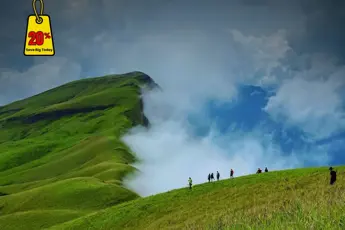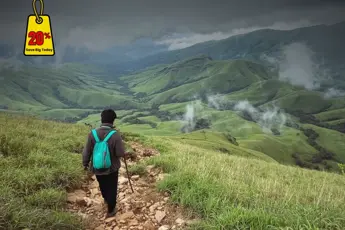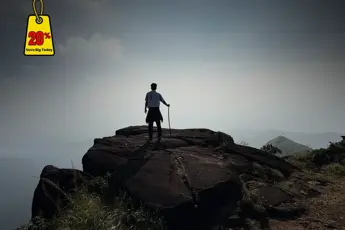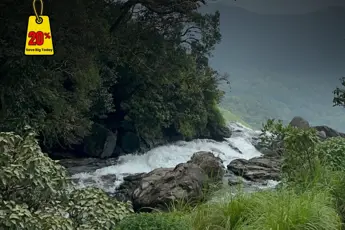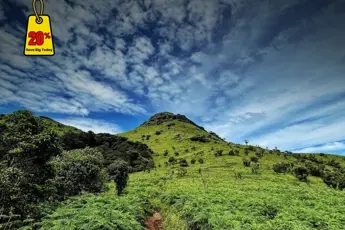

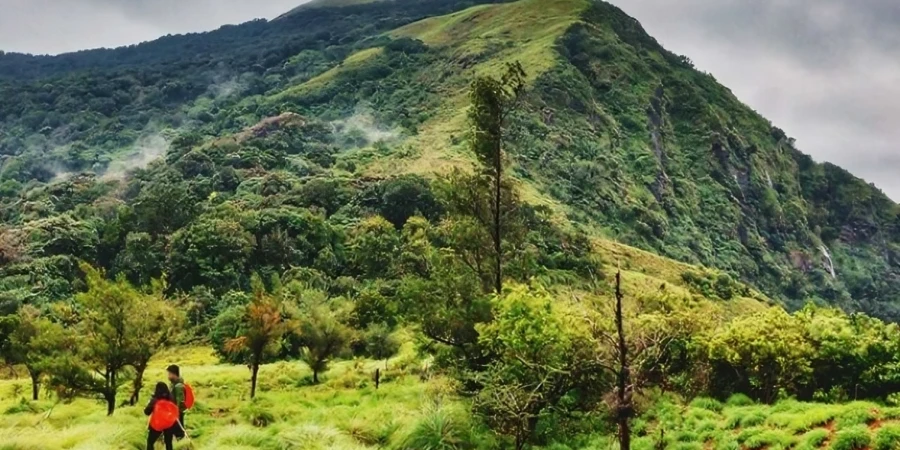
Hidden in Karnataka's Western Ghats amidst lush green surroundings, it is an off-the-beaten-path trekking spot in the Coorg (Kodagu) district. Famous for its surreal landscape, panoramic views, and peaceful atmosphere, it is one of South India's offbeat yet highly rewarding treks. Unlike its more famous counterparts, such as Tadiandamol or Mandalpatti, it provides a virgin nature experience, which is a must for nature enthusiasts and adventure seekers. At a height of about 4,100 feet (1250 meters) above sea level, this peak belongs to the Brahmagiri Range of the Western Ghats, a World Heritage site known for its astounding biodiversity and ecological value. It is accessible on a trail that goes through thick forests, rolling grasslands, coffee plantations, and clumps of shola forests, offering trekking enthusiasts the perfect blend of nature and adventure. Trekkers seeking forest trails and mountain views often choose our Nishani Motte Trek Package.The special thing about this Nishani Motte trek is that it is an off-the-beaten-path trek, and the trek attracts those who like a less frequented and private experience of trekking. Unlike overtly commercialised trails, it is not even claimed to be over-exploited, so perfect for trekkers who like to trek in small groups or individually. The trek itself is moderately demanding, about 13 to 15 kilometres long, and most appropriate for inexperienced trekkers. Besides the expedition, it is extremely important in Coorg's natural and cultural geography as well. Nature and trekking enthusiasts can discover more scenic adventures through our Treks Near Bangalore guide.Altitude Gain and Difficulty RatingStarting Altitude: Around 1,276 meters (4,186 feet) at TalaCauveryMaximum Altitude: 1,360 meters (4,460 feet)Altitude Difference: Around 84 meters (275 feet)Though the altitude difference is minimal, steep slopes and rock-covered ground need energy and swift movements. Monsoon months (June–September) make the trek very tough with slippery trails and frequent leech attacks.Seasonal Changes in Terrain and Difficulty LevelEach season provides a diverse landscape and contributes to variations in the level of intensity of treks. These variations are for the trekkers so that they would be able to select the most suitable time in terms of physical stamina, previous experience, and preferred landscape.Best Months for Adventure Lovers Summer (March to June): Great for high-altitude treks and expeditions. Winter (December to February): Great for difficult treks on snow paths. Monsoon (July to September): Preferable for adventurous travellers who dare to tread through tough trails in bad weather.How to Reach Nishani Motte: A Travel GuideIt is a stunning but offbeat trekking spot in the Western Ghats in the Kodagu (Coorg) district of Karnataka. This off-beat trek is a fantastic experience through green canopies, rolling hills, and vistas, perfect for a weekend getaway for avid adventure seekers and nature lovers. For those adventurous few, I have a full guide describing the travel itinerary to Nishani Motte with information on the nearby airports, railways, bus stations and road transport from major cities like Bangalore, Mysore, and Mangalore.Nearest Railway StationMysore Junction (MYS): A little over 120 km away, Mysore Junction has many trains coming in from Bangalore, Chennai, and other towns in southern India. You can get a taxi or bus from Mysore to Madikeri, which is the largest town.Mangalore Central Railway Station (MAQ): Approximately 150 km from here, well connected to various cities in India, it is the best option. Taxis or buses may be hired from Mangalore to access Coorg.Hassan Railway Station (HAS): Hassan station is 130 km away from here and may be used as an alternative for tourists by train. The connectivity is not very good with Mangalore or Mysore.Nearest Road Route and Bus StopMadikeri, the district headquarters of Coorg, is the main access to the hill. It has a proper bus stop, where buses operate regularly from other main cities. Madikeri Bus Stand- It is the nearest bus stand, 40 km away from the hill. Regular buses from KSRTC and private transport run from Bangalore, Mysore, and Mangalore to Madikeri. Virajpet Bus Stand bus stand serves as a stop for tourists heading to the hill, approximately 30 km away from here. Bhagamandala Bus Stop is a small stop near Talacauvery. Bhagamandala is closer to the trekking location. Auto-rickshaws and taxi services are also available from here.Road Routes to Nishani MotteTourists can drive themselves or take a cab to drive to the hill from nearby cities. The drive offers scenic views of coffee plantations, dense forests, and the misty hills of Coorg.From Bangalore (Around 300 km)Route 1: Bangalore – Ramanagara – Mandya – Mysore – Hunsur – Kushalnagar – Madikeri – Nishani MotteRoute 2: Bangalore – Nelamangala – Kunigal – Hassan – Sakleshpur – Madikeri – Nishani MotteTravel Time: Around 6-7 hoursRoad Condition: Smooth roads and good-laid roads for a smooth ride. The road to the last couple of kilometres before trekking begins is rough and would require an SUV or vehicle with high-ground clearance.From Mysore (Approx. 120 km)Route: Mysore – Hunsur – Kushalnagar – Madikeri – Nishani Motte Travel Time: Approximately 3-4 hours Road Condition: The roads are good with scenic views along the way. From Mangalore (Approximately 150 km) Route: Mangalore – Puttur – Sullia – Madikeri – Nishani Motte Travel Time: Approximately 4-5 hours Road Condition: The roads are good, although there are some sharp turns and steep ascents in some parts.Transportation OptionsOn cost and convenience, visitors can opt for the following:Buses – Private and KSRTC bus services operate a normal bus route from Bangalore, Mysore, and Mangalore to Madikeri. Local buses or cabs can be used to travel from Madikeri to the trekking spot.Cabs and Taxis – Taxis from Virajpet, Madikeri, and Bhagamandala are also available up to Nishani Motte. A cab can be booked through services like Ola, Uber (not widely available in Coorg), or with local travel agents.Self-Drive – Driving or biking is a great option for adventure lovers. The road to Coorg is picturesque and well-laid, and driving is a pleasurable experience. However, the final leg before beginning the trek might involve an off-road journey.Other Treks in CoorgCoorg is a paradise for trekking enthusiasts, offering multiple trails that cater to different levels of difficulty and scenery preferences.Tadiandamol Peak: Tadiandamol Peak is Coorg's highest peak and one of Karnataka's most popular trekking places. At a height of 1,748 meters, the trek is renowned for panoramic views of the Western Ghats, dense forests, and grasslands. The climb to the summit has easy and moderately rough patches, and it is perfect for new and experienced trekkers. Trekking through the beautiful Shola forests and meadows, you are in for panoramic views of the unspoiled beauty of Coorg. The best time to visit Tadiandamol is post-monsoon, when the forests are green.Brahmagiri Hills: The Brahmagiri Hills trek is another visual treat of Coorg, offering a dreamlike combination of dense forests, rolling hills, and landscape. The trek goes up to the Brahmagiri Peak at an altitude of 1,608 meters. The trek starts along the Iruppu Falls and proceeds to the lush area of the Brahmagiri Wildlife Sanctuary. The summit provides a picturesque view of Kerala on one side and Coorg on the other. You can also spot other wildlife such as elephants, deer, and birds while in transit.Kumara Parvatha Trek: If trekking and wildlife discovery are what you are looking for, Pushpagiri Wildlife Sanctuary is where you should head. The sanctuary also identifies the location of the second-highest peak of Coorg, Pushpagiri (Kumara Parvatha), 1,712 meters above sea level. It is one of the toughest treks in Karnataka and a favourite among adventure enthusiasts who are willing to take on a tough but rewarding experience. Climbing upwards, you'll walk through dense forests, grasslands, and steep ridges to finally arrive at the summit with breathtaking views. Apart from trekking, tourists can also learn about the diversity of biodiversity in the sanctuary, such as endemic plants and threatened bird species.