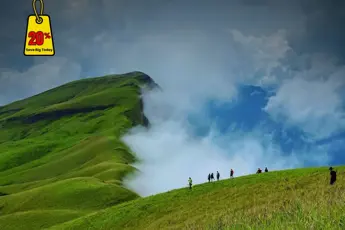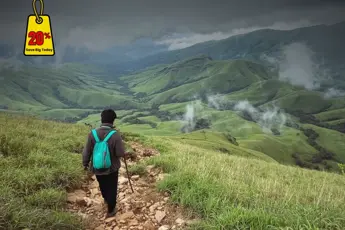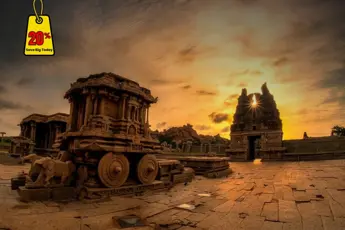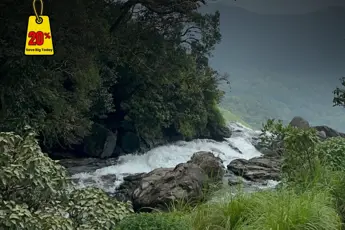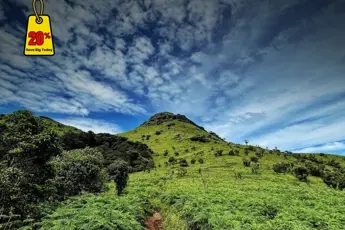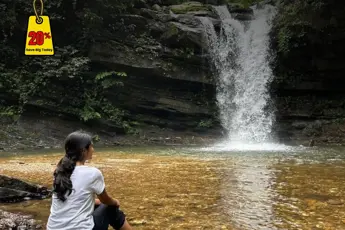


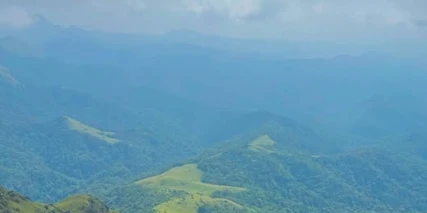
It is the Coorg (Kodagu) mountain, is 1,748 meters (5,735 feet) in height and offers an excellent view of the Western Ghats. It is not only pretty scenery but also steeped in history and goes back to the era of the Haleri dynasty that ruled Kodagu. The Haleri dynasty that ruled Kodagu from the 17th to the 19th century was the hub of Kodagu's history. It has been addressed as the "Great Hill" in Kannada. Haleri kings took a strategic position in history at one time or another at Tadiandamol. Nalknad Palace built by King Dodda Virarajendra in 1792, close, was an asylum location during times of war. The king utilized the hilly, fog-covered landscape to escape from British forces and later formed an agreement with the British East India Company. The palace, near the base of the trek, is a relic of the past as a site of remembrance of what was. The Hill treacherous trails were crossed previously by ancient warlords and tribes. The warrior-like nature of native Kodava folks, with a unique culture themselves, always considered these hills sacred. To them, the verdant mountain cloth, meandering streams, and diverse fauna are good enough reasons to consider this land sacred and worth preserving. Even now, one can view characteristic Kodava villages and plantations along the route, gaining an insight into the rich culture of the region. For a guided trekking experience, check out our Tadiandamol Trek Package.The British, during their colonization, made use of the geographical location of Coorg and extended the landmass for coffee plantations. The forests of Tadiandamol were also exposed to British expeditions as they ventured into the Ghats and discovered new trekking routes. The influence of the British started the coffee plantation, which remains a major part of the economy of Coorg even today. Over the years, it has evolved from a historically significant fort to a trekker's location. As eco-tourism picked up pace, the trek gained popularity among nature lovers and travel enthusiasts. While it is so famous today, it remains comparatively pollution-free because of the conservation measures implemented by the greens and locals. Then, the trek to Tadiandamol is South India's best trekking holiday, a combination of heritage, history, and nature. From the royal footsteps of Nalknad Palace to untainted Western Ghats landscapes, ascending to the height of Coorgi summertime is a challenge to the body and walking down centuries. Trekking enthusiasts can explore more experiences through our Weekend Getaways From Bangalore guide.Attractions & Activities around the locationNalknad Palace: This palace, situated close to the trekking starting point, is a representation of Coorg royalty. The palace was built in the 18th century with mixed architecture and paintings depicting the history of the region.Chelavara Falls: A beautiful 15 km distance from the trekking site, Chelavara Falls is an ideal spot to relax after an exhausting trek. Water falling on the huge rock structures is amazing.Dubare Elephant Camp: Dubare Elephant Camp by the Kaveri River is an opportunity to be among elephants, even bathe and feed them. River rafting and walking in the woods are also options at the camp.Abbey Falls: Abbey Falls is among the famous waterfalls of Coorg, and it occurs between coffee plantations and scenery. Thundering falls appear all the more magical in the monsoon season.Sightseeing in Madikeri: The capital town of Coorg, Madikeri, also has its credit sites such as Raja's Seat, Omkareshwara Temple, and Madikeri Fort. These are places with a mix of nature, history, and culture. It's a different experience visiting these nearby places and making it a complete nature and adventure vacation.How to Reach TadiandamolNearest Cities and Transport OptionsBy Road: The most direct method of going to Tadiandamol is by road. Base trek village Kakkabe is a metalled road linked and can be reached by private vehicles, taxis, and buses from Mysore, Bangalore, and Coorg. KSRTC and private bus service regular supply exists and a facility is offered for local transport from Virajpet to reach Kakkabe.By Rail: The closest railway station to Tadiandamol is Mysore Railway Station (120 km). Taxis or buses can be hired from Mysore to Virajpet or Madikeri and further extended to Kakkabe.By Airport: The closest airport is Kannur International Airport (90 km) in Kerala, and the second closest airport is Mangalore International Airport (150 km). Taxis or buses can be hired from both airports to Coorg and further extended to Kakkabe.Best Time to VisitPost-Monsoon (September to November): This is the ideal time for trekking to the peak. The rain in the monsoon keeps the landscape green, lush, and colourful, so the trek is simply scenic. The waterfalls and streams on the trek are full-flowing, so the trek is even more scenic. The weather is temperate and pleasant, although the trek trail is a bit slippery as it has rained recently.Winter (November to February): Clear and cold winter months are the ideal time of year for panoramic vistas. Climate ranges from 10°C to 20°C, a very agreeable trekking experience. Early morning treks in misty trails offer a mystic experience for the trek. The forest is however comparatively dry in relation to the post-monsoon.Summer (March to May): Summer is not that great, but morning trekking is fine. But afterwards, the sun heats up, and the trek is tiresome. The flora dries up, and streams on the trek dehydrate, stripping the trek of its charm as such.Monsoon (June to August): Monsoon time makes this hill a whole different world. This makes the forest thicker and greener, but also hazardous to trek. Steep routes, leeches, and the resultant low visibility during fogs can disturb the trekking team. Having said this, if one loves monsoon treks and is well-dressed, then it can be highly thrilling.