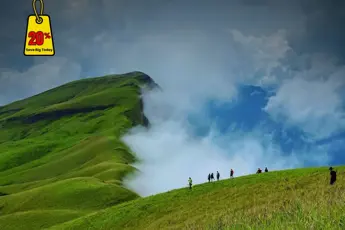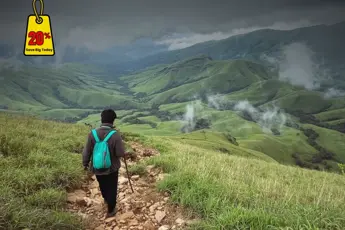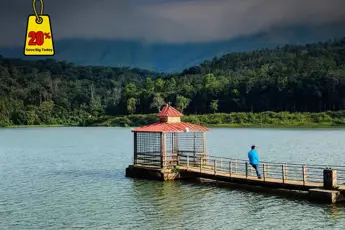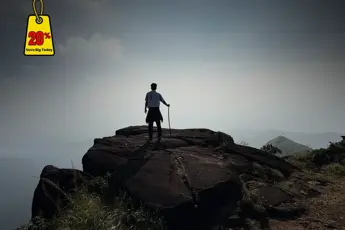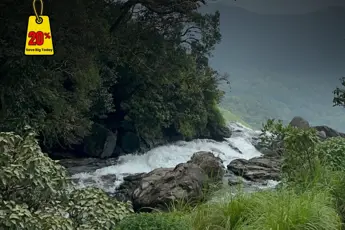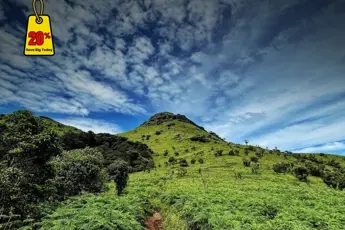

The Trek falls under the jurisdiction of the Kudremukh National Park, an area well conserved in ecological and cultural regard. The hill itself may not have the well-documented history that some of Karnataka's more seasoned fort treks can claim, but the region as a whole has a good association with local myth and ecological conservation. Kudremukh, also known as "horse-face" in Kannada (after the appearance of one of its peaks), was a block of iron ore mine belonging to and operated by the Kudremukh Iron Ore Company Limited (KIOCL) in the latter part of the 20th century. But with nature almost becoming extinct and collective efforts from the conservationists, mining was stopped in the early 2000s. The area, Kurinjal included, has been under the shadow of the Kudremukh National Park ever since. The park has been a national park since 1987 and a biodiversity hotspot under the Western Ghats UNESCO World Heritage Site. The trail, along with the rest of the trails in the area, was initially covered by native tribes and villagers from village to village. If you enjoy mountain adventures and nature trails, explore more destinations through our Treks Near Bangalore guide.They were subsequently found by trekkers and nature lovers, who were attracted by the region's virgin forests, shola grasslands, and sheer majesty. Today, access is controlled by the Forest Department to limit the number of visitors and maintain its dense flora and fauna. Not a traditional historic hike in the form of an old temple or fort at the top (there isn't one such here), the past of the Kurinjal Trek is a chapter in Karnataka's green revolution, a transition from industrial use to preservation and ecotourism. It's a newer example of nature and an environmentally friendly adventure that exists when preserved and in a pristine state. Adventure lovers seeking Western Ghats trekking experiences often enjoy our Kurinjal Trek Package for a guided outdoor journey.Places near Kurinjal TrekKudremukh Peak: Aside from a path from the base of Kurinjal, Kudremukh Peak is the third-highest point in Karnataka and any trekker's dream. Famous for its horse-headed summit, this trek is slightly more difficult than Kurinjal but worth it with stunning scenery of the Western Ghats. The trek involves going through woods, streams, and grasslands, and nature lovers experience an adrenaline rush and vistas.Hanuman Gundi Falls: Approximately 20 km away lies the peaceful cascade of Hanuman Gundi Falls in Kudremukh National Park. The waterfall falls a distance of approximately 22 meters between thick forests and rugged land. It is a perfect destination to unwind after trekking, take a nature walk, or just enjoy nature's peaceful forest surroundings. The waterfalls are at their best during or immediately after monsoonsLakhya Dam: Lakhya Dam is located near the town of Kudremukh and was constructed over the Lakhya River. It was also used earlier for the operations of the iron ore mine. Although no longer used for boating and water sports activities, the dam site is calm, serene, and an ideal location to spend some time, taking some pictures on your trip.Kalasa: Approximately 40 km away is Kalasa, a small temple town situated on the River Bhadra. It is famous for the Lord Shiva temple, Kalaseshwara Temple, coffee plantation, and Malnad cuisine and is hence a rightful cultural and culinary diversion.Horanadu: Only 50 km away is the Annapoorneshwari Temple at Horanadu, the most popular sacred pilgrim destination. Nestled in beautiful green landscapes, the serene environment, free food for the visitors, and a peek into the spirituality of Karnataka create the perfect destination to conclude your quest in a serene frame of mind.Best Times to Visit Kurinjal TrekPost-Monsoon (September to November) – The best time to trek is in this season. Post-monsoon, the entire region gets covered with lush green forests, fresh air and blue sky. The weather is soothing, and the view is at its peak; the trek route becomes photo-friendly and view-friendly. There are chances of seeing wildlife as well as endemic plants more too, since the forest has come up nicely this season. It is good for wildlife enthusiasts and photographers as well.Winter (December to February) – The Winter season is also a good time to visit the hill, particularly for cold-weather lovers. It will be cold in the morning and evenings, but the sun will be shining bright and warm enough for trekking. Skies are clear with great views from the top. As this is also a comparatively dry season, the trail is not slippery and thus is fun to trek. It is serene and secluded for a serene nature haven. 3. Summer (March to May) – Not trekking-friendly but can be, especially early morning. There is canopy cover to provide shade, but the sun becomes merciless at noon. If you are an early riser and would like to have a less touristy experience without all those other tourists, then summer is an appropriate off-season option. Just be sure to bring loads of water, sunscreen, and light clothes.Monsoon (June to August) – Monsoon makes the trail a green paradise, but it comes with leeches, slippery trails, and heavy rain too. Trekking is for the brave here and must be avoided unless by an experienced trekker with proper equipment. The Forest Department may also block the entrance during heavy monsoon to safeguard tourists and the ecosystem.How to Reach Kurinjal TrekBy Road – The Trek is road-connected and is best approached by road from nearby major cities like Bangalore, Mangalore, or Chikmagalur. By road distance from Bangalore is approximately 330 km, which would take approximately 7–8 hours of road travel time. It can be driven to from Hassan or travelled to by road via the scenic drive of Chikmagalur. You also have the option of private and government buses plying in the area, as close as Kalasa or Kudremukh village, the nearest. From there, you can go on by local jeep or taxi to the Forest Office, the trek starting point. This is the most scenic and best mode of travel.By Train – The nearest railway station to Kurinjal is Mangalore Junction (about 110 km). Cab or bus travel from the station to Kalasa or Kudremukh. Although there is no direct train to Kurinjal, it is a good option if you are coming from distant cities like Mumbai, Goa, or Chennai. Combine this with road travel from Mangalore for a trouble-free trip.By Airport – Mangalore International Airport (around 120 km from here) is the closest airport. Taxi or bus from the airport to Kalasa or Kudremukh can be arranged. Flights to Mangalore run daily from Indian cities such as Bangalore, Mumbai, Hyderabad, and Delhi. It is the best one for tourists travelling from the northern or eastern regions of India in a bid to conserve time travelling.