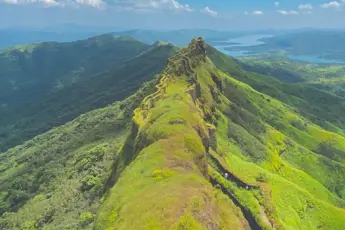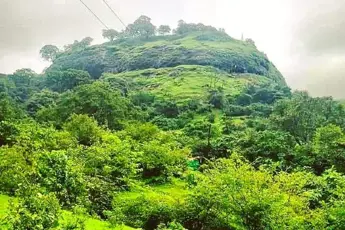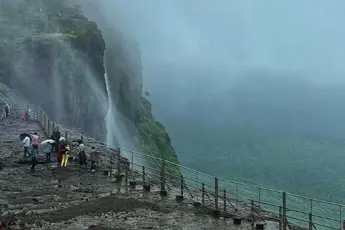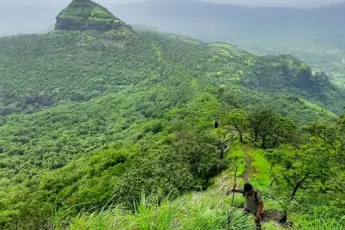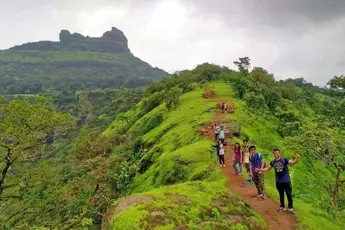


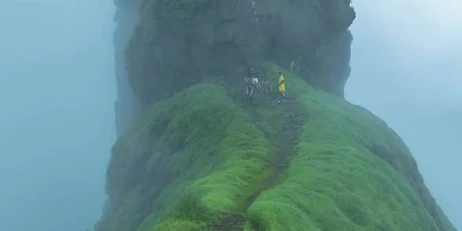
Irshalgad Fort, a relatively ancient hill fort near Panvel in the Maharashtra state of India, is a lesser-known but historically interesting structure that has seen the birth and demise of numerous empires. Situated atop the Sahyadri mountain range at an altitude of approximately 3,700 feet, the fort is famous for its strangely needle-like tip, a point one remembers having viewed from miles off. Irshalgad is a medieval fort, but not much is known about its construction. But, as in the case of any of the forts here, it is supposed to have been constructed or even occupied by the Bahmani Sultanate and subsequently by the Adilshahi Bijapur dynasty before it came into the possession of the Marathas. Even the name "Irshalgad" is itself of Marathi origin, with "gad" being the Marathi word for fort. The fort was not an entire garrison but a watchtower, and its location gave it a bird's eye view of the surrounding area and the commercial route through the Western Ghats. Thrill seekers looking for rocky climbs and scenic views can explore our Irshalgad Trek Package.Since it is just a stone's throw from the better-known Prabalgad Fort, historians like to fantasize that Irshalgad was a secondary line of defence of the conquered territories of local rulers. Role under British and Maratha Rule The area surrounding Irshalgad in the 17th century became a major region of battle between the Mughals and Marathas and the European colonizers wishing to expand their power in India. The Maratha Empire seized the fort in the time of Chhatrapati Shivaji Maharaj, who understood the strategic importance of dominating the streams of commerce and mountain passes of the Western Ghats. Adventure seekers exploring Maharashtra trails can browse our complete Treks in Maharashtra guide.Trekking Tips and PrecautionsTo have a safe and enjoyable trekking experience, follow the given tips:Carry Adequate Water: Stay hydrated, especially on summer treks, as the heat can become suffocating.Wearing Suitable Trekking Shoes: Walk sloppy and rocky inclines without mishaps by wearing shoes with grip.Walking Based on the Weather: Refrain from walking during rainy days or scorching sun to prevent mishaps.Light Snacks: Energy bars, dry fruits, and packed lunch maintain energy levels during the trek.Light Backpack: A light backpack with a raincoat, first-aid, and torch would be enough.Group Trekking: Trekkers trek in groups and there is always a standby in the event of some untoward accident.Nature Respect: Do not litter and practice green trekking methods.Nearby AttractionsPrabalgad Fort: Originally called Muranjan Fort, built by the Bahmani Sultanate. Located between Panvel and Matheran, standing at 2,300 feet. Moderate-level trek through forests, boulders, and steep climbs. Offers stunning views of the Sahyadri range, especially in monsoons. Neighbouring Kalavantin Durg features a thrilling rock-cut staircase.Karnala Fort & Bird Sanctuary: The historic fort was built during the Yadava dynasty at 1,440 feet elevation. Easy trek, ideal for beginners and adventure seekers. Home to over 200 species of resident and migratory birds. Offers breathtaking panoramic views of the Konkan region. Best visited during post-monsoon and winter seasons.Matheran Hill Station: The smallest and only vehicle-free hill station in India. Accessible via a toy train or a scenic forest hike from Neral. Popular viewpoints: Panorama Point (360° views), Louisa Point (Prabalgad ruins), and Charlotte Lake. Offers colonial-era architecture, horse rides, and misty landscapes. A perfect weekend retreat from city life.Irshalgad Fort: An offbeat adventure paradise near Panvel & Karjat. Ideal for trekking, rock climbing, bouldering, and rappelling. Stands at 3,700 feet with a challenging rock pinnacle for climbers. Guided rock climbing and rappelling experiences were available. Stunning sunrise and sunset viewpoints for photographers.Best Time to TrekMonsoon Trekking (June to September)Monsoon greets us with greens everywhere, waterfalls cascading and misty trails. Monsoon trekking is pure bliss for nature enthusiasts who can enjoy the understated beauty of rain-lashed landscapes. But monsoon trekking also has its downsides, such as slippery roads, leeches, and bad weather.Winter Trekking (December to February)Winter treks are suitable for people who love snow and cold mountain air. Himalayas have the finest winter treks since they turn into winter paradises in the shape of snow trails. The treks are cold, however, so physical condition and good winter gear need to be owned.Summer Trekking (March to June)Summer is also suitable for trekking, particularly Himalayan high-altitude treks. The weather is perfect with clear blue skies, cool weather, and rhododendrons in bloom in most of the regions. New and old trekkers alike can go for summer treks. The best summer treks are:How to Reach IrshalgadFrom Mumbai: Start from Mumbai and drive on the Mumbai-Pune Expressway. Continue driving on the expressway until you reach the Shedung Phata exit near Panvel. Take the Chowk Village exit and head towards Khalapur. From Khalapur, take the Irshalwadi road, the village base of Irshalgad. The road distance between Mumbai and Irshalwadi is about 80 km, and the driving time would be around 2 to 2.5 hours, depending upon traffic.From Pune: Begin from Pune and head on the Mumbai-Pune Expressway. Head towards Khalapur Toll Plaza and exit at Chowk Village. Head towards Irshalwadi through scenic rural areas. The road distance between Pune and Irshalwadi is around 110 km, and the driving time would be around 2.5 to 3 hours.Train: The cheapest means of reaching Irshalgad is by train to Karjat Railway Station. Mumbai to Karjat regular local trains operate on the Central Line. Inter-city express or passenger trains from Pune are available to go to Karjat. If one is already in Karjat, a traveler can take an auto-rickshaw or take a state transport bus to Chowk Village and then go further to Irshalwadi. Frequent services of Maharashtra State Road Transport Corporation (MSRTC) buses operate between Mumbai, Pune, and Karjat. One can travel by a local bus or shared jeep from Karjat to Chowk Village, from where the trek begins to Irshalgad. Private tour operators also run bus services from Mumbai and Pune to Karjat.Shared Auto-Rickshaws & Taxis: Shared rickshaws and taxis are readily available from Karjat Railway Station to Chowk Village. The shared rickshaw fare would normally cost ₹50-₹100 per person, and a private auto-rickshaw will be ₹300-₹500. Taxis from Karjat to Irshalwadi would be around ₹1000-₹1500 depending on the time of year and demand.Private Transport Facilities: Personal Car or Bike: The best way to have a problem-free trip is by travelling your car or bike. Irshalgad roads are mostly well maintained, though the last bit of road requires one to move slowly as there are patches that are bad in condition. Parking is within walking distance to Irshalwadi, from where trekkers park their vehicles and initiate the trekking activity.Cab Services: Private cars like Ola, Uber, and hire taxis that are found locally are easily accessible from Karjat to Mumbai and Pune. Hiring a local taxi or private vehicle from Karjat can be used to travel to the trekking starting point. Taxi costs from Mumbai to Irshalgad are around ₹2000 to ₹3000, depending on the season and vehicle.Bike Rentals: For adventure lovers, bike rentals from Pune or Mumbai and cycling to Irshalgad can also be done. Some of the rental companies offer cycles on a day-to-day basis for ₹500-₹1000 per day. It is an economical and also a hassle-free way to travel within and around the region at one's leisure.