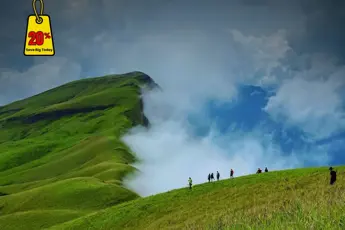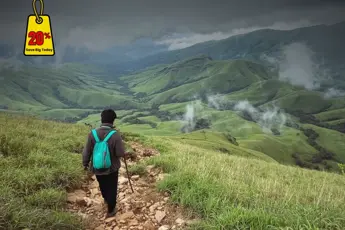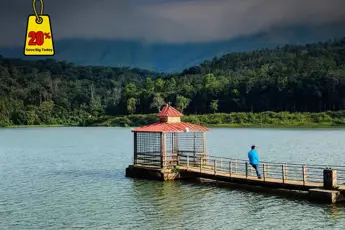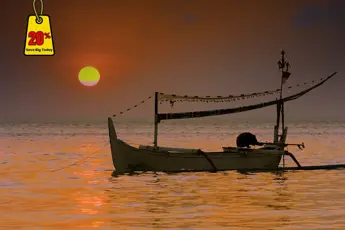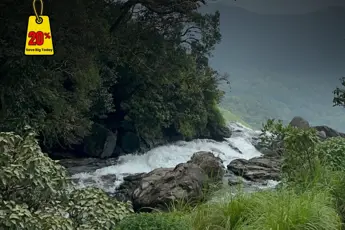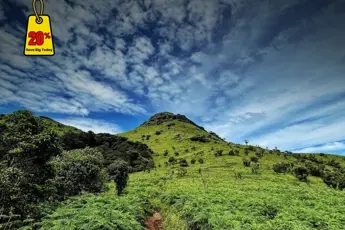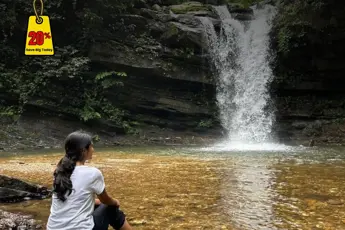


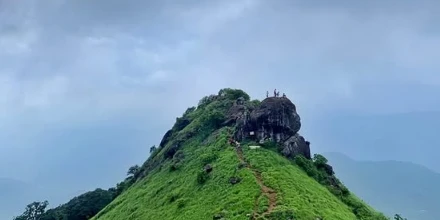
Ranipuram, the picturesque hill station of the Kerala Western Ghats, is as beautiful as it looks in all its flat glory. Ranipuram is a Kasaragod district and the real paradise for nature enthusiasts where one experiences an ideal blend of dense forests, hilly mists, and rich wildlife. With its rolling green hills, dense forests, and breathtaking scenery, it has truly lived up to the reputation of being the "Ooty of Kerala." While not as frequent as some of the other hill stations such as Munnar or Wayanad, It is a place that has natural beauty that makes it a place that no visitor should ever skip if he is looking for peace, adventure, and an unbridled sense of communing with nature. Nature lovers visiting this region often combine it with our Ranipuram Trek Package.It is a picturesque hill station in the Kasaragod district of the Indian state of Kerala, famous for grasslands, green land, and some biodiversity. "Ranipuram" was based on local culture and linguistic aspects. "Rani" is "queen" in Sanskrit and Indian languages, and "Puram" is "place" or "city." Ranipuram would then be "Queen's Place" or "Queen's Land." Perhaps it is due to local tradition, royal heritage, or the natural surroundings of the place with a kingly character. It is also believed that Ranipuram could have been a place of significance for the local chiefs or tribal leaders and thus a place of historical significance. Travelers seeking nature escapes can find more destinations through our Weekend Getaways From Bangalore guide.Places of Interest around and in RanipuramRanipuram Hills and Viewpoints - The intriguing fact about Ranipuram is that it is a series of rolling hills having a peak at an elevation of approximately 1,048 meters mean sea level. The thrill of trekking to the peaks of the hills is an adrenaline rush type of experience because it is enjoyed by the adventure sports people of the whole world. Malom Falls – Some 20 km from the hill is the less frequented Malom Falls, a picturesque cascade along woody tracts. The fall is especially beautiful during the monsoon season when it's brimful with rainwater and is a pleasure to witness. The area, the 'Coorg of Kerala,' is lush with coffee plantations, spice plantations, and dense forest and wildlife.Kottancheri Hills and Forest – A short distance from the hill is the equally unvisited Kottancheri Hills, yet another heaven for nature enthusiasts. The forest is an extension of Karnataka's favourite haunt, Talacauvery Wildlife Sanctuary. The forest abounds in wildlife, and on your best days, you might even be able to catch glimpses of elephants, deer, and some birds. Hiking hills to hike is a thrill of adventure, with streams, thick forests, and viewscapes contributing to the ascent.Bekal Beach and Fort – If driving a bit more (about 80 km) is okay, then Bekal Beach and Fort is a nice outing. The 17th-century fort is one of the best-preserved ancient monuments of Kerala. The bird's eye view of the Arabian Sea, here, and thus it is a nice blend of nature and history. The beach is renowned for its golden sand and sunsets.Ananthapura Lake Temple – It is located around 70 km from the hill and is special in the way that it is situated in the middle of a peaceful lake. It is believed to be the residence of Lord Anantha Padmanabha, the deity who rules the mythological Padmanabhaswamy Temple of Thiruvananthapuram, where he spent his first sojourn. The temple has a vegetarian crocodile named Babiya, who is highly revered by the pilgrims.Madhur Temple – Madhur Madanantheshwara Temple is a very crowded Lord Shiva pilgrim place close to Kasaragod town. The temple stands out architecturally as it has a humongous gopuram (immensely tall entrance tower) and wood ceilings that are plastered very finely. The temple appears very colourful during its festival season when pilgrims and tourists throng its premises in large numbers.Mallikarjuna Temple – The Temple, built centuries ago at Kasaragod, is a Lord Shiva temple with a preference for scenic sculptures and a serene ambience. Worth visiting the place for the individual who wants to get to know the religious past of the location.Parappa Wildlife Sanctuary – About 50 km from the hill, the sanctuary contains varied wildlife such as peacocks, hornbills, and the Malabar civet, a shy animal. The thick forest cover and scenery offer a rich scope for nature walks and photography.Valiyaparamba Backwaters – To have the feel of actual adventure amidst peace, it is impossible to miss a trip to Valiyaparamba backwaters. These beautiful lagoon canals form a quiet chain of peaceful waterways that give you the feel of peaceful boat rides, where you can indulge yourselves in the peaceful surroundings and live your life as if in a village.Kanwatheertha Beach – One of the area's undeveloped and unspoiled beaches, Kanwatheertha is perfect for a peaceful beach holiday. What makes the beach so stunning is its natural lagoon that forms a little pool of freshwater, perfect for a refreshing splash of cool water.Posadigumpe Hill – Located on the border of Karnataka and Kerala, Posadigumpe is a secluded beauty with a bird's eye view of the Arabian Sea and Kerala's green hill. It is a good picnic spot, a short trek, and a photography point.Accessibility & How to ReachBy RoadFrom Kanhangad: Travel on NH66 and SH57 for 40 minutes, and you are here. The drive is scenic with a view of Kerala's countryside landscape.From Kasaragod: It is a slightly longer journey of around 50 minutes along NH66 and SH57, which is smooth, easy travel with clear direction markers and less traffic congestion.From Mangalore: Traffic-bottleneck coastal town of Mangalore is roughly 95 km away, and the journey takes around 2.5 hours along NH66. It has smooth travel and good roads.From Bangalore: For those traveling from Bangalore, the distance is 370 km and 7-8 hours. The route through NH75 and NH66 gives one vistas of mountain passes, coffee plantations, and the Arabian Sea.From Coorg: Nature enthusiasts can go to heaven by any other name - Coorg - 150 km from here. A single 4-5 hour drive through serene forests and charming hillscapes is a respite.By Train Kanhangad Railway Station (KAN) – 30 km, one of the main railway stations on the Mangalore-Shoranur railway line with further connectivity to a range of express and passenger trains from all across India. Kasaragod Railway Station (KGQ) – Almost 40 km away, the Kasaragod Railway Station has a range of trains from high-speed trains such as Rajdhani, and Shatabdi, to long-distance express trains to Mumbai, Bangalore, Chennai, and Delhi. Mangalore Central Railway Station (MAQ) – Some 95 km away, a large railway station with extensive rail connectivity to the whole country.By AirportThrough Mangalore Airport: Intercity buses, airport shuttle service, and taxis can be availed to move and reach the destination within 2.5 to 3 hours.By Kannur International Airport (CNN): About 120 km from here, this is another good option for passengers from the Indian and other foreign major cities. Best Time to Visit Winter (December to February): It snows in the northern states such as Ladakh, Himachal Pradesh, and Uttarakhand, while the middle and southern states experience temperatures between 10°C and 25°C. The weather is nice for seashore resorts such as Goa and Kerala and is therefore a good time for beach tourism.Summer (March to June): Most of India becomes hot during summer, particularly the northern and central parts, with temperatures usually touching more than 40°C. However, relief is available in the hill stations such as Manali, Shimla, and Ooty. The southern coastal areas are hot but not extremely hot.Monsoon (June to September): Southwest monsoon showers the Western Ghats with heavy rainfall, northeast states, and mid-India. When monsoon showers fields and forests, some of them have to suffer the agony of getting flooded. The world's highest rainfall is reserved for the eastern states such as Meghalaya and Assam.Post-Monsoon/Autumn (October-November): Monsoon withdrawal period, thus clear blue sky and cool weather. Also changeover period from the monsoon season to winter, thus travel time par excellence.